
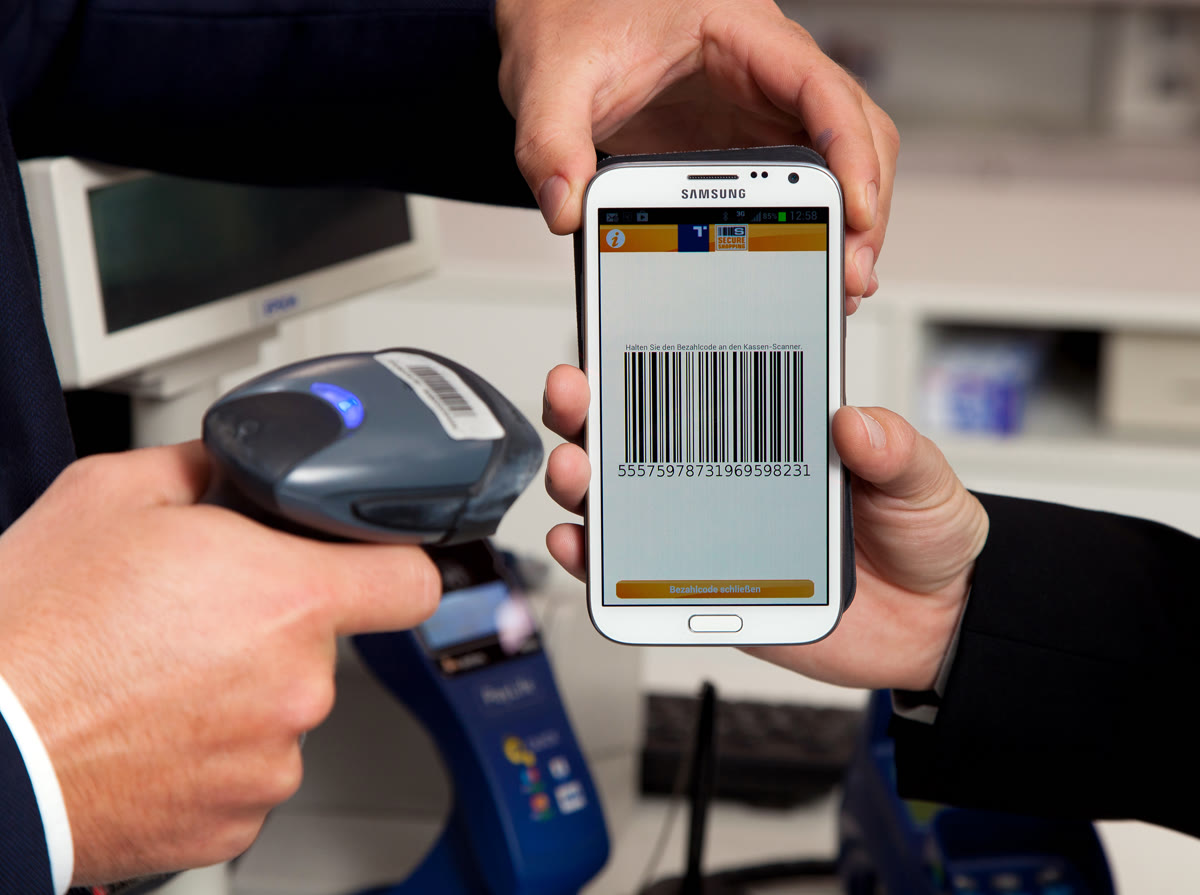

I still remember the first time I used GCash to pay for a cup of coffee. I tapped my phone against the QR code at the counter, waited two seconds, and got a notification that the payment went through. No fumbling for bills, no waiting for change, no worrying if I had enough cash in my wallet. That was three years ago, and I barely carry physical cash anymore.
GCash and Maya (formerly PayMaya) have become household names here in the Philippines. They’ve turned our smartphones into digital wallets, letting us pay for groceries, send money to family, buy load, pay bills, and even invest — all without stepping foot inside a bank. During the pandemic, these apps went from convenient-to-have to almost essential, and they’ve only grown more powerful since.
But here’s the thing: as much as I appreciate how convenient e-wallets are, I also run into their limitations more often than I’d like. So let’s talk about both sides — the good and the frustrating — from the perspective of someone who actually uses these apps every single day.
The Pros: Why E-Wallets Are Worth It
1. You Can Track Every Peso You Spend
This is probably the biggest practical advantage, and it doesn’t get enough attention. When you pay with cash, the money leaves your hands and you have to mentally track where it went — or keep every receipt like a filing cabinet. With GCash or Maya, every single transaction is logged automatically. Every payment, every transfer, every purchase has a timestamp, an amount, and a merchant name.
I don’t use a separate budgeting app. I just open my GCash transaction history at the end of the month and I can see exactly where my money went. That PHP 75 for iced coffee? There it is. That PHP 200 for a Grab ride? Right there. The app even groups your spending by category in some views. For someone who hates spreadsheets but still wants to stay on top of their finances, this alone is worth the switch.
Maya takes it a step further with its built-in savings goals and spending insights. You can set a weekly budget and get alerts when you’re close to hitting it. It’s like having a personal accountant who never sleeps and never asks for a raise.
2. Bills? Paid in Seconds, Not Hours
I used to spend my Saturday mornings standing in line at the bayad center. Meralco, Maynilad, internet — each one meant a separate trip or at least a lengthy queue. Now I pay all my bills in the GCash app while I’m still lying in bed. It takes about 30 seconds per bill. Meralco, Globe, PLDT, SSS, Pag-IBIG — all of them are there. Maya has the same setup, and both apps even send you reminders before your due date so you never forget.
3. No Need for a Traditional Bank Account
This is a game-changer for so many Filipinos. Not everyone has a bank account — maybe it’s the maintaining balance, the requirements, or just the distance to the nearest branch. GCash and Maya let you send, receive, save, and spend money with just a smartphone and an ID. You can cash in at any sari-sari store with a GCash or Maya outlet, and you’re good to go.
For freelancers, online sellers, and students receiving allowance, this removes a massive barrier. You don’t need a bank to participate in the digital economy. You just need a phone.
4. Promos, Discounts, and Cashback
Both apps run promos constantly. GCash has GSave (savings with interest), GInvest (mutual fund investments), and GInsure (micro insurance). Maya has the Maya Savings account with high interest rates and cashback on every purchase. Every time you scan to pay at a partner store, you get a little something back. It adds up — not dramatically, but enough to make you feel like you’re not just spending. You’re being rewarded for it.
The Cons: Where E-Wallets Still Fall Short
1. Not Every Store Accepts E-Wallets
This is the biggest frustration for me. Even in 2026, there are still plenty of places in the Philippines that don’t accept GCash or Maya. The wet market near my house — cash only. The street food vendors — cash only. The small hardware store down the road — cash only. Even some restaurants in Metro Manila still haven’t put up a QR code.
Yes, adoption is growing fast. Big chains like SM, Robinsons, Jollibee, and McDonald’s all accept e-wallets now. But the moment you step out of the major commercial areas, you’d better have cash on hand. Many small business owners are still hesitant. Some don’t trust the technology. Others don’t want to pay the merchant fees. And some simply don’t have smartphones for their POS system. Trust in digital systems takes time to build, and in the Philippines, cash is still king in many pockets of the economy.
This means you can’t go fully cashless. You still need to carry physical money for those merchants, which defeats part of the convenience. It’s not an all-or-nothing solution — it’s a hybrid lifestyle that can get a bit awkward when you’re standing at a counter with only your phone and the vendor says, “Sorry, cash only po.”
2. Transaction Fees Add Up
Cash in for free? Only if you use certain channels. Cashed out to your bank? PHP 8 to PHP 15 per transaction, depending on the amount. Send money to another GCash user? Free. Send to a bank? Fees apply. Pay your bills? Free for most, but some merchants charge a convenience fee.
These fees are small individually, but they accumulate. If you’re someone who makes 30+ transactions a month, you could be paying PHP 100-200 in fees without even noticing. It’s still cheaper than commuting to a physical bank, but it’s not free.
3. Internet Dependency
E-wallets stop working the moment your internet connection drops. And in the Philippines, where mobile data can be inconsistent, this is a real pain point. There have been times I couldn’t pay for my groceries because Globe was slow in my area. Cash never has a “no signal” problem. Having a phone with great battery life helps, but it won’t fix a congested cell tower.
4. Security and Scam Risks
E-wallets are generally secure — GCash uses encryption, OTP verification, and MPIN authentication. But social engineering scams are everywhere. Fake GCash agents calling about your account, phishing links claiming you won a prize, “accidental” transfers followed by a request to send the money back. The digital world requires a different kind of vigilance, and e-wallets are no exception.
If someone gets your MPIN and OTP, your money can disappear in minutes. And recovering it? That’s a process involving customer support tickets, affidavits, and patience. It’s not impossible, but it’s not instant either.
Tips for Getting the Most Out of E-Wallets
- Enable transaction notifications — Get SMS or in-app alerts for every transaction so you catch unauthorized activity immediately.
- Keep a “cash buffer” — Always carry at least PHP 500 in cash for stores that don’t accept digital payments.
- Use the transaction history feature — Check your spending weekly. It takes two minutes and keeps you honest about where your money goes.
- Never share your MPIN or OTP — No legitimate bank or e-wallet will ever ask for these. Hang up immediately.
- Link to GCash or Maya savings accounts — Both apps offer interest-earning savings features. Park your spare cash there instead of leaving it idle.
Bottom Line
GCash and Maya have genuinely made daily life easier for millions of Filipinos. The ability to pay bills in seconds, track every expense automatically, and participate in the financial system without a traditional bank account is transformative. I wouldn’t go back to a purely cash lifestyle.
But they’re not a complete replacement for cash — not yet. The gaps in merchant acceptance, the reliance on internet connectivity, and the security risks mean you still need to keep your old habits for certain situations. The smart approach is to use e-wallets for what they’re good at — recurring bills, digital purchases, and trackable daily expenses — while keeping cash for the markets, the street vendors, and the small shops that haven’t made the switch yet.
Cash and digital don’t have to be opposites. They work best as partners. And in the Philippines in 2026, that partnership is still a work in progress — but it’s getting better every year.