
I remember the day I first held a OnePlus phone. It was a OnePlus 3 — that gorgeous soft gold model with the alert slider that made every other Android phone feel like it was missing something essential. Back then, OnePlus was the plucky underdog that enthusiasts actually rooted for. The invite system was annoying, sure, but it felt exclusive. The price-to-performance ratio was almost unfair. If you knew phones, you had a OnePlus.
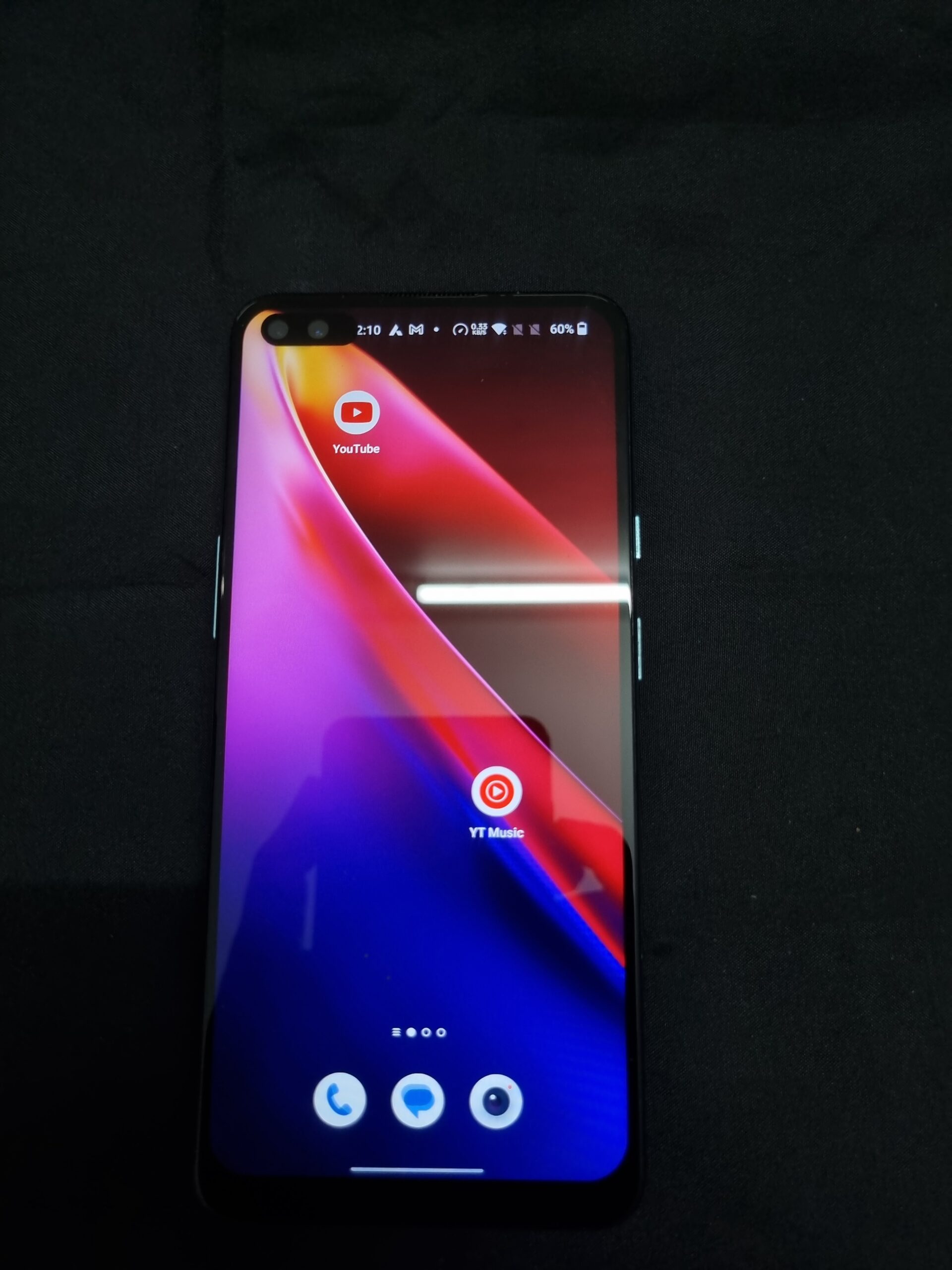

That was then. Today, I’m reading reports from EU customers who are being handed worthless vouchers instead of warranty repairs, stores that are almost empty, and a brand that seems to be quietly packing its bags. The question nobody wants to ask out loud: Is OnePlus slowly dying? And more importantly — is anyone at BBK even trying to save it?
The EU Warranty Crisis That Broke the Camel’s Back
The latest wave of complaints centers around OnePlus’s warranty service in Europe. A customer who bought a OnePlus 13 with a free pair of OnePlus Buds 2 discovered the buds malfunctioned before the warranty expired. They sent them in for repair. OnePlus’s response? The Buds 2 are a “near-end-of-life product” — they can’t repair or replace them.
Instead of a replacement, OnePlus offered a €199 store voucher. Sounds reasonable, until you try to use it. OnePlus’s European web stores are practically empty. Smartphones and tablets are listed, sure, but anything worth €199 is either out of stock or marked as “on sale” — and their system won’t let you use vouchers on discounted items. The voucher is effectively useless.
This isn’t one isolated case either. Affected customers have gathered on Reddit, and some are escalating to the European Consumer Center (ECC), filing complaints for deceptive trade practices and breach of warranty terms. One Reddit post literally calls it the “OnePlus Europe exit scam.”
The Signs Have Been There for a While
Warranty issues like these rarely happen in isolation. They’re symptoms of something deeper. When a company starts treating warranty claims with low-effort voucher offers instead of actual replacements, it usually means they’re winding down local operations. The math changes when you’re not planning to stick around.
Look at the bigger picture. OnePlus’s OxygenOS — once the reason many of us chose OnePlus over Oppo — has been effectively merged into ColorOS. The distinct identity that made OnePlus special is gone. The Indian CEO stepped down recently amid rumors of the company pulling back from the Indian market. Devices that are less than two years old are being declared end-of-life. The official stores in Europe are running on fumes.
These aren’t coincidences. They’re the checklist of a brand in retreat.
The BBK Consolidation Problem
Here’s the thing that a lot of casual buyers don’t realize — OnePlus, Oppo, Realme, iQOO, and Vivo all belong to the same parent company, BBK Electronics. For years, BBK ran these brands as separate entities with distinct identities, targeting different market segments. OnePlus was the enthusiast brand. Oppo was the mainstream premium player. Realme was the value champion. iQOO was the performance gamer.
But the smartphone market has matured, and margins are razor thin. Running five separate brand operations is expensive. So BBK has been quietly consolidating. The OxygenOS-ColorOS merger was the most visible sign, but the real story is happening behind the scenes — shared supply chains, merged R&D, unified software teams. The brand differentiation that made each label feel unique is evaporating.
This matters because OnePlus’s entire value proposition was built on being different. It was the brand for people who cared about the details — the alert slider, the fast-and-smooth software experience, the community forums where co-founders actually replied. When you strip those away, what’s left?
If you’ve been following the BBK lineup, you’ll notice iQOO has inherited the “performance-for-value” mantle that OnePlus originally owned. And with companies like Samsung stepping up their mid-range game significantly — I covered the Samsung Galaxy A27 5G recently, and six years of software updates is genuinely impressive — the space OnePlus once dominated is getting crowded from every direction.
What This Means for Filipino Consumers
OnePlus has always had a following in the Philippines. The flagship killer narrative resonates in a market where every peso counts, and getting premium specs without the premium price tag is the dream. But if OnePlus is exiting Europe and scaling back in India, what does that mean for warranty service in Southeast Asia?
Here’s the uncomfortable truth: when a brand starts treating warranty claims poorly in one region, it’s usually a preview of what’s coming everywhere else. If OnePlus can tell an EU customer that a two-year-old product is “near end-of-life,” Filipino customers should probably be paying close attention. Our consumer protection laws are improving, but chasing a warranty claim across international borders is not something most people can afford to do.
I’ve written before about how brands making questionable decisions can erode trust faster than they realize. OnePlus is in that territory now.
So, Is This the End of OnePlus?
Let me be clear — I’m not predicting OnePlus will vanish tomorrow. They’ll still sell phones this year, and next year, probably. The brand has name recognition and a loyal installed base. But the trajectory is worrying, and it’s been worrying for a while.
The smartphone graveyard is full of once-beloved brands. HTC. LG. Sony’s Xperia line (which is technically still alive, but barely). What kills a phone brand isn’t usually one bad product — it’s a slow erosion of identity, followed by a steady decline in trust, followed by customers quietly moving on.
OnePlus is somewhere in the middle of that curve right now. The warranty crisis in Europe is just the most visible symptom. The real disease is a brand that lost its reason for existing, caught in a consolidation war within its own corporate family.
Bottom Line
I still have that soft gold OnePlus 3 somewhere in a drawer at home. It reminds me of a time when the smartphone industry felt exciting in a way it rarely does now. OnePlus was a big part of that energy. It’s genuinely sad to watch the brand fade into a footnote of the BBK empire — not because of competition or market shifts, but because the people running it seem to have given up on what made it special.
If you’re a OnePlus fan holding out hope, I’d say enjoy your current device while it lasts. And maybe think twice before buying a OnePlus product that relies on long-term warranty support. Because if the EU situation is any indication, the brand might not be around to honor those promises.
The market is already moving on. Things change — I explored some of that dynamic when I wrote about how even the biggest names in tech can lose their direction. OnePlus taught the industry something important about value and community. I just wish its corporate parents remembered the lesson.