
Samsung has been busy in 2026. The Galaxy S26 series launched earlier this year, the Buds 4 Pro hit shelves, and the Galaxy Book 6 lineup shipped. But the biggest event of their calendar is still ahead — and it’s shaping up to be one of the most consequential Unpacked events in years.
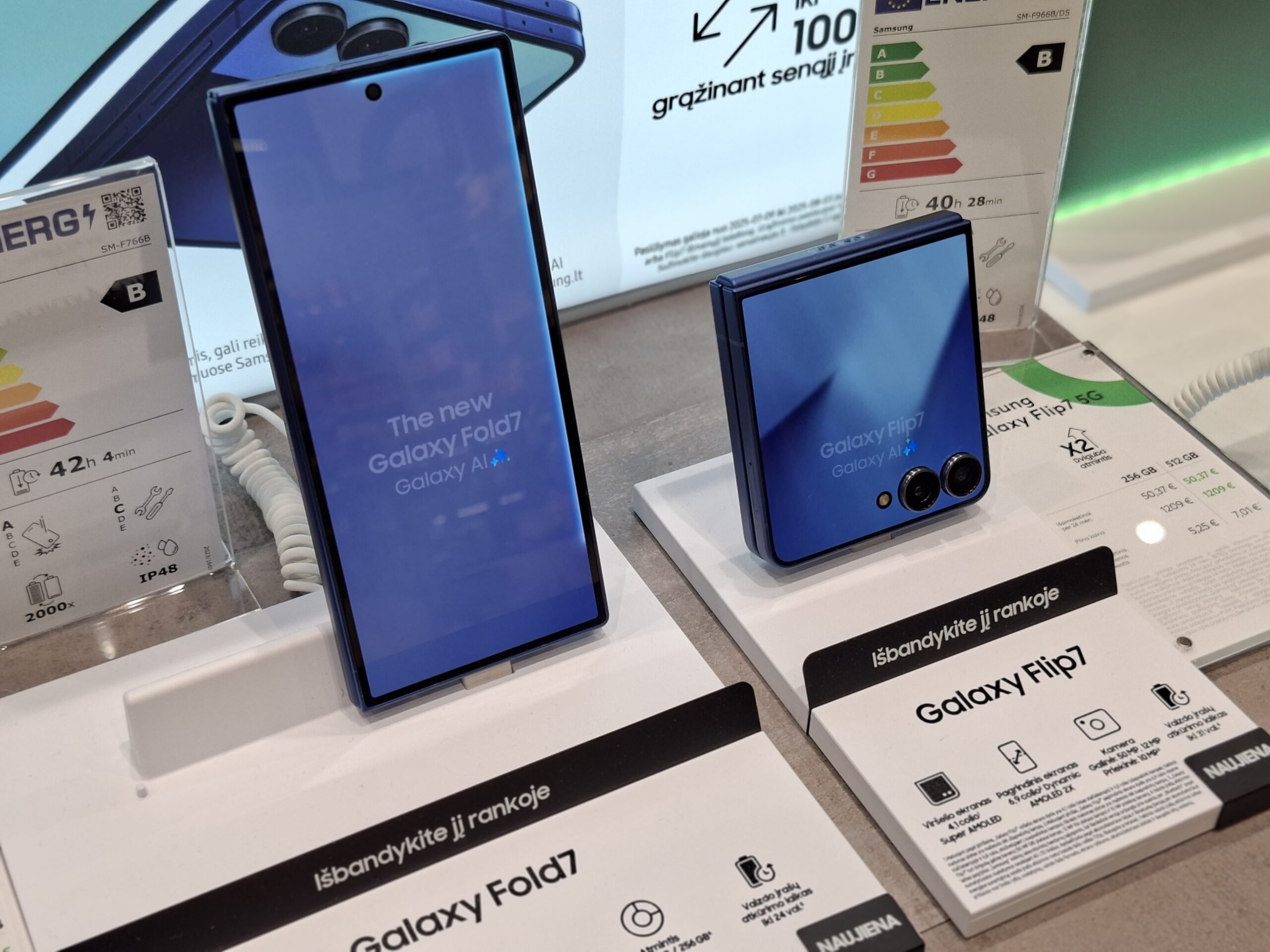

The Korean tech giant is expected to hold its summer Galaxy Unpacked on July 22, 2026, in London — a notable shift from its usual venues in Korea or the US. Multiple leaks from Android Central, BGR, and Korean supply-chain reports point to a massive lineup: three foldables, two smartwatches, and Samsung’s first-ever AI-powered smart glasses.
Here’s a breakdown of every device we expect to see — and why this event matters more than the usual yearly refresh.
Galaxy Z Fold 8 and Z Fold 8 Ultra: Two Directions, One Stage
This is where it gets interesting. Samsung is reportedly splitting its book-style foldable into two distinct models this year.
Galaxy Z Fold 8 (The Wide Fold)
The standard Galaxy Z Fold 8 is actually the new one — and it’s Samsung’s answer to Apple’s upcoming foldable iPhone (expected in September). Instead of the tall, narrow shape Samsung has been using since the original Fold, this one goes shorter and wider, unfolding into something closer to a small tablet with a 4:3 aspect ratio.
Leaks from Android Headlines suggest a 7.8-inch inner display and a 5.4-inch cover screen that’s wide enough to actually use as a normal phone — no more cramped typing on a narrow strip. It’s expected to pack a Snapdragon 8 Elite chipset, a 4,800mAh battery, and dual 50MP cameras.
Galaxy Z Fold 8 Ultra
The Ultra keeps the traditional tall book-style form factor. It’s the direct successor to the Z Fold 7, but it gets significant upgrades: a 200MP main camera (borrowed from the Galaxy S26 Ultra), a 5,000mAh battery with 45W fast charging, and the same Snapdragon 8 Elite Gen 5 chip. The crease — that persistent annoyance on every Fold generation — is also expected to be dramatically reduced thanks to a redesigned hinge.
Pricing is the painful part. Memory chip shortages have driven costs up across the industry. The base Z Fold 8 Ultra could start around $1,999, and the 1TB variant might push past $2,700. That’s steep even by foldable standards. For context, Samsung’s own Galaxy A27 5G offers six years of updates at under Php 19K — a very different price bracket but the same commitment to long-term support.
Galaxy Z Flip 8: Lighter, Smoother, and Possibly the Last of Its Kind
The clamshell foldable gets a redesigned hinge that finally addresses the crease — the most common complaint since the Flip launched in 2020. It’s also lighter at 180g, making it even more pocketable.
Chipset depends on your region: the US, Canada, and South Africa get the Snapdragon variant, while Europe and Korea get the Exynos 2600 — the same chip used in the international Galaxy S26. Camera hardware reportedly stays the same, which is a bit of a letdown for those hoping for an upgrade.
But here’s the bigger story: multiple outlets, including Tom’s Guide, have floated the possibility that this could be Samsung’s last Flip model. Stagnating sales and Samsung’s pivot toward wider book-style foldables could spell the end of the clamshell line. If that’s true, the Z Flip 8 ships with seven years of software support — keeping it current through 2033.
Samsung Galaxy Glasses: The Gemini-Powered Wildcard
This is the device I’m most curious about. Samsung and Google officially teased the Galaxy Glasses at Google I/O 2026, and they’re expected to get a full unveiling at Unpacked.
These run on Android XR — Google and Samsung’s shared operating system for AI wearables — powered by Gemini AI. Think Meta’s Ray-Ban Stories, but deeper in the Google ecosystem. Built-in cameras, speakers, and microphones let you capture photos, get navigation directions, translate conversations in real time, and check notifications without pulling out your phone.
Samsung has already announced partnerships with Gentle Monster and Warby Parker for the frames, which suggests they’re taking the design seriously. Pricing estimates land between $379 and $499, with actual retail availability expected in fall 2026. A display-equipped version is rumored for 2027.
Galaxy Watch 9 and Watch Ultra 2
Samsung’s wearables lineup gets a meaningful upgrade — and this time, it’s about the chip. Both the Watch 9 (available in 40mm and 44mm sizes) and the rugged Watch Ultra 2 are expected to switch from Exynos to Qualcomm’s Snapdragon Wear Elite processor. That means AI health features — heart rate monitoring, sleep analysis, AFib detection — run directly on the watch without needing your phone nearby.
The Watch Ultra 2 gets a slightly boxier design with thinner bezels and a bigger 784mAh battery. The standard Watch 9 models are expected to pack 382mAh and 435mAh batteries, respectively. Both support 10W wired charging — the same as their predecessors.
One notable absence: the Galaxy Watch Classic with its iconic rotating bezel might skip this generation entirely. FCC filings have surfaced for the Watch 9 and Watch Ultra 2, but the Classic has been notably missing from certification databases.
Galaxy Z Flip 8 FE, Galaxy S26 FE, and Galaxy Buds Able
A few more devices are floating around the rumor mill, though they’re less certain for the July 22 event:
- Galaxy Z Flip 8 FE — A lower-cost flip phone that could bring foldable tech to a wider audience. If it shows up, expect an Exynos chip and a more affordable price tag.
- Galaxy S26 FE — Likely launching in September rather than July. Live shots surfaced on the Wireless Power Consortium website showing a design similar to the S25 FE with the S26’s camera island. It could feature an Exynos 2500 and Android 17 out of the box.
- Galaxy Buds Able — Samsung’s clip-on bone conduction earbuds. They’ve been delayed multiple times, and a July launch seems unlikely at this point. Don’t hold your breath.
Why London and Why Now?
Holding Unpacked in London on July 22 is a deliberate move. Apple’s first foldable iPhone — reportedly called the iPhone Ultra — is expected to launch in September. By going to Europe two months earlier, Samsung gets to define the “wide foldable” conversation before Cupertino even steps on stage.
It’s the same play they made with the Galaxy S25 Edge ahead of the iPhone Air last year. Samsung wants to own the narrative, and London gives them a global stage — not just a Korean or American one.
Bottom Line
This isn’t just another Unpacked. OnePlus showed this year how quickly brand trust can evaporate without solid after-sales support, and Samsung is fighting on multiple fronts: defending its foldable lead against Apple’s entrance, entering the AI wearables space with the Galaxy Glasses, and upgrading its wearables lineup with meaningful silicon changes. The pricing is going to hurt — memory chip shortages are affecting every device this year — but the lineup itself is genuinely exciting.
I’ll be watching the July 22 live stream closely, and I’ll follow up with hands-on impressions once the devices are announced. If you’re planning to pick up any of these, Samsung typically opens pre-registration a few weeks before the event — keep an eye on their official site.
What device are you most excited about? I’m honestly torn between the Wide Fold and the Galaxy Glasses. Drop a comment and let me know.