
The Order: What Actually Happened
On Thursday, the European Commission issued a legally binding order under the Digital Markets Act requiring Google to do two things. First, share its search data with rival search engines starting January 2027. Second, open Android to competing AI services by July 2027 — meaning users should be able to pick their preferred AI chatbot for voice commands, just like they currently use “Hey Google” for Gemini.
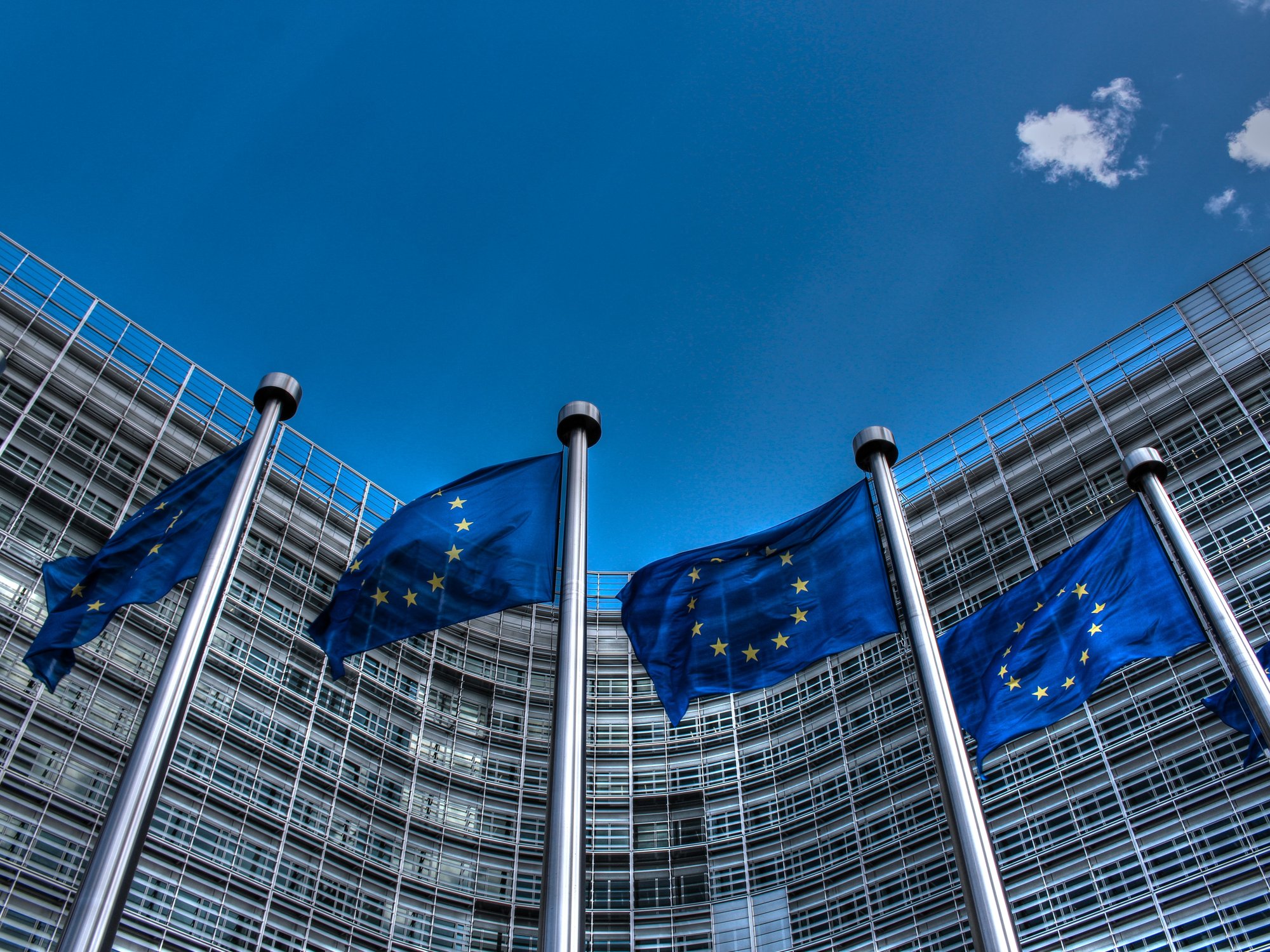

EU tech chief Henna Virkkunen put it plainly: “Thanks to these measures we hope to see emerging alternatives to Google Search and Google’s AI services, such as Gemini, and that users in the EU can enjoy greater choice of services.”
This isn’t a suggestion. It’s legally binding under the DMA, which gives the EU the power to force the world’s biggest tech companies to open up to competition.
Why This Matters More Than Previous EU Fines
The EU has fined Google before — €8.2 billion between 2017 and 2019, plus a €2.95 billion fine just last September. Google paid those and kept operating the same way. This order is different because it demands structural changes, not just fines.
Search data is the crown jewel. Google’s search index is built from billions of queries, clicks, and user behavior signals accumulated over decades. Sharing that data with competitors is like Coca-Cola being forced to give away its recipe. It fundamentally changes the economics of search competition.
And opening Android’s voice assistant layer to rival AI models means your phone could default to Claude, ChatGPT, or any other AI when you speak a voice command. That’s a direct blow to Gemini’s distribution advantage on the world’s most popular mobile operating system.
As I covered when DeepMind’s CEO proposed a FINRA-style regulator for AI, the regulatory momentum around AI is building fast. This isn’t just about Google — it’s about how governments are reshaping the competitive landscape for all AI companies.
Google’s Privacy Pushback
Google didn’t take this quietly. Kent Walker, the company’s head of global affairs, argued that the EU’s measures would “introduce unprecedented risks to user privacy, device security, and national security.” His central point: sharing search data with unfamiliar companies means “Europeans’ private searches would be exposed,” without adequate anonymization or user consent.
A senior European official countered that the EU “took integrity, security and privacy into utmost account,” and Brussels stated the decision would ensure anonymization of search data. The DMA framework includes safeguards, but the details of how that anonymization works in practice — and who verifies it — remain unclear.
This tension between competition and privacy isn’t new. We saw the same dynamic play out when Samsung Health gave users a “consent or delete” ultimatum about their health data. The more data you’re forced to share, the harder it becomes to protect. Google knows this and is leaning into it hard.
What This Means for AI Competition
Here’s where it gets interesting. The EU’s order is specifically designed to create space for AI alternatives on Android. Imagine buying a Pixel phone and being prompted to choose your default AI assistant — exactly like you choose your default browser or search engine today.
For AI startups, this is huge. Distribution is the biggest moat protecting incumbents. If every Android user can set Claude or ChatGPT as their voice assistant without extra steps, the competitive landscape shifts dramatically. It’s no longer about who has the best AI — it’s about who users actively choose when all options are equally accessible.
This connects to a bigger question I’ve been thinking about: whether AI models are services or infrastructure. The two AI economies — the billion-dollar compute deals and the free open models — are pulling in opposite directions, and regulation like this tilts the board. If the EU forces platform-level access, it favors the open, competitive side of that equation.
The Data Question
Search data isn’t just about search results. Modern search engines feed AI models. When you search for something, that interaction trains and improves the search engine’s understanding. Google’s search data is a training resource that competitors simply can’t replicate — not because they lack talent, but because they lack the user base.
Compelling Google to share this data isn’t just about search. It’s about giving AI competitors the fuel they need to build better models. And Satya Nadella has been warning that companies are feeding their secrets to future competitors — this order makes that dynamic explicit at the platform level. The question is whether the safeguards actually work.
The US-EU Tech Divide
The DMA has been sharply criticized by the Trump administration, which argues it unfairly targets American companies. That critique isn’t entirely wrong — the biggest companies affected by the DMA are Apple, Google, Meta, and Amazon, all American. But from the EU’s perspective, these companies control access to hundreds of millions of European users, and their market power hasn’t been effectively checked by US antitrust enforcement.
This creates a strange dynamic. European regulators are setting rules that affect how American tech companies operate globally. Google’s response to the DMA will likely influence how it operates in other markets too — you can’t easily build two versions of Android.
What I Think
I’ve been watching this from Manila, working in a government ICT division where we’re constantly balancing the need for good tech against the realities of vendor lock-in and data sovereignty. What the EU is doing here resonates because it’s the same fight, just at a bigger scale.
The part that worries me is the privacy angle. Google has legitimate concerns about how its search data will be handled once shared. The EU’s anonymization guarantees sound good on paper, but I’ve seen enough data breaches and privacy failures to know that good intentions don’t always translate to good execution. The devil is in the implementation details, and those details aren’t public yet.
But the competition angle excites me. Real choice in AI assistants — not “choose between Gemini and nothing” but real competition — would be a net positive for users. It forces every AI company to compete on quality, not just platform access. And for developers like us, more competition means better APIs, better pricing, and more innovation.
What to Watch Next
The EU could hit Google with a fine under a separate DMA investigation as early as next week, which would add financial pressure to the structural changes already ordered. Google could also challenge the order in EU courts, though the DMA’s legal framework was specifically designed to withstand such challenges.
The deadlines are worth noting: search data sharing starts January 2027, and Android changes follow in July 2027. That gives Google about six months to a year to comply. In tech years, that’s both a lifetime and the blink of an eye.
Bottom line: the EU just made the most aggressive move yet to reshape the AI competitive landscape. It’s not a done deal — privacy concerns, legal challenges, and implementation complexity could slow things down. But the direction is clear. Regulators are done waiting for markets to self-correct, and they’re coming for the platforms that control access to AI.
Whether you’re a developer building on these platforms, a business owner deciding which AI ecosystem to bet on, or just someone who owns an Android phone, this affects you. The question is whether the EU pulled it off in a way that actually helps users — or whether the safeguards fall short. We’ll find out in 2027.