
The OnePlus 16 is shaping up to be the most ambitious phone the brand has ever made. A 9,000mAh battery, a 200MP main camera, and a Snapdragon 8 Elite Extreme Gen 6 chip — all wrapped in a body with IP69K durability. But here’s the catch: it’s launching in China first, and there’s no confirmed release for the Philippines.
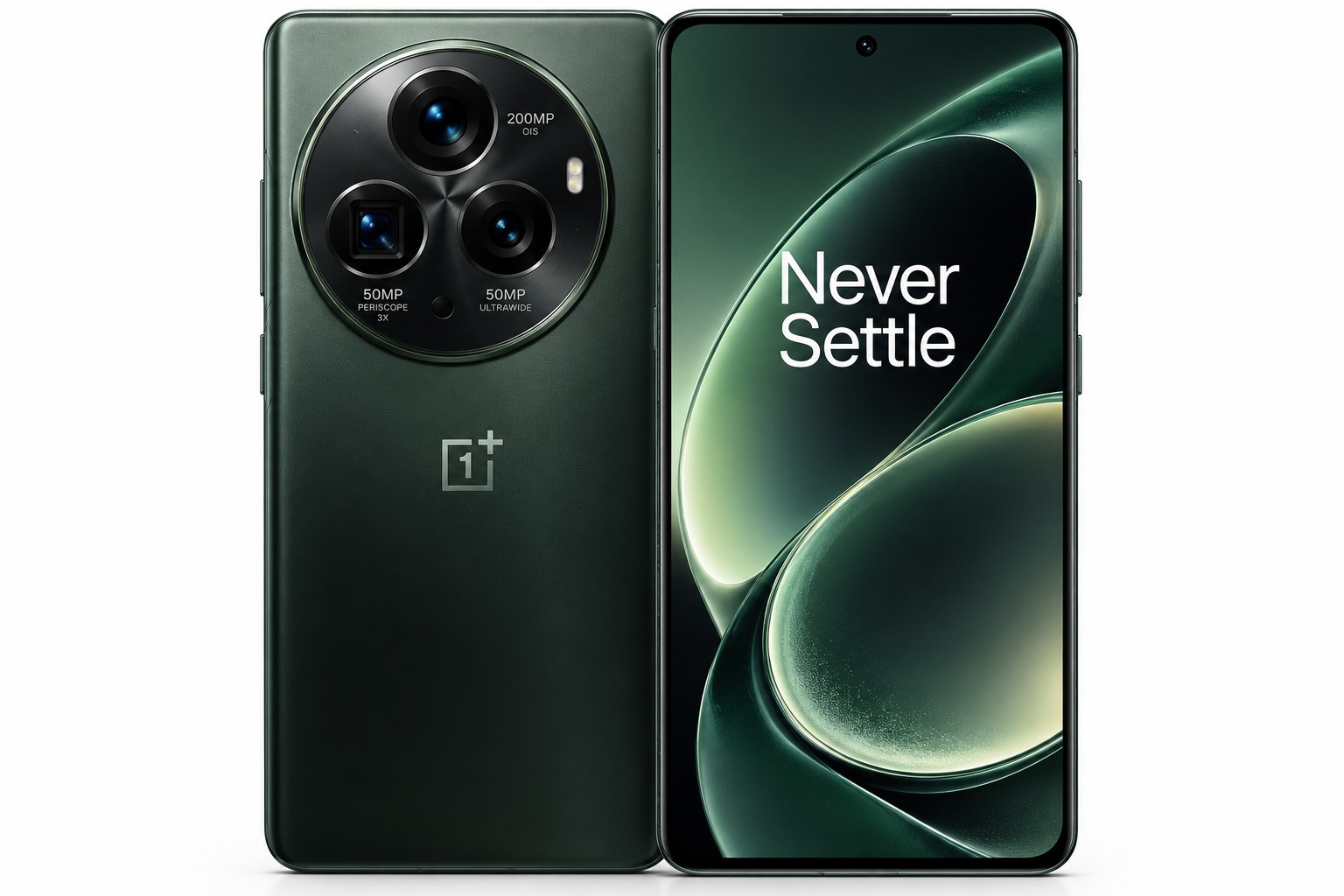
I’ve been following the teasers for the past week, and the picture is clear. OnePlus is going all-in on battery life and gaming performance, two areas where the OnePlus 15 fell short. The question is whether it’s enough to compete with the OnePlus Ace 7 that launched just last month, or if the 16’s upgrades justify the wait — and the inevitable gray-market premium.
Design & Build Quality
The OnePlus 16 keeps the flat-screen design language but refines it. The bezels are just 1.15mm thin — among the narrowest on any smartphone — thanks to a new LIPO (Low-Injection Pressure Overmolding) manufacturing process. The result is a phone that feels more like a single slab of glass and metal than a collection of parts.
The build is rated IP66, IP68, IP69, and IP69K — the full suite of dust and water resistance standards. That’s a step up from the OnePlus 15, which carried only IP68. The ultrasonic under-display fingerprint sensor is a welcome upgrade from the optical sensor on the Ace 7, and it works even with wet fingers.
Three color options are available: Tomorrow’s Starlight (silver), Dark Forest (deep green-black), and Mars Masterpiece (orange). The Mars Masterpiece variant features an illuminated rear panel — a subtle LED light ring that glows for notifications and calls. It’s a gimmick, but a fun one that gives the phone some personality.
At 6.78 inches, this is a large phone. One-handed use is a stretch, but the slim bezels keep the footprint reasonable. The USB 3.2 Gen 1 port supports 5Gbps data transfer, and the IR blaster is still here — a feature most flagships have dropped.
Display
The OnePlus 16’s display is its headline feature. It’s a 6.78-inch BOE X4 LTPO OLED panel with 1.5K resolution (1272 x 2772 pixels) and a 165Hz system-wide refresh rate. In supported games — Arena Breakout, Nizhan: Future, Naruto Mobile, and Peace Elite — the refresh rate boosts to 185Hz.
The panel uses BOE’s X4 luminescent material, which OnePlus says draws as little power as a 120Hz display. That’s a bold claim, but it would explain how a 9,000mAh battery pairs with a high-refresh-rate display without becoming a two-day phone.
Brightness is rated at ≥2,000 nits global peak and ≥800 nits manual. The 2,160Hz PWM dimming at low brightness should help with eye strain during late-night scrolling. TÜV Rheinland Smart Eye Protection 6.0 certification rounds out the eye-care features.
HDR support includes Dolby Vision, HDR10+, and HDR Vivid — the full trio. Combined with the 1.5K resolution, this is one of the most capable mobile displays I’ve seen on paper.
Performance
The Snapdragon 8 Elite Extreme Gen 6 (SM8975) is Qualcomm’s newest flagship chip, built on a 2nm process. The CPU configuration is octa-core: 2x 5.01GHz Prime cores, 3x 4.03GHz Performance cores, and 3x 3.74GHz Efficiency cores. The Adreno 850 GPU handles graphics.
This is the same chip that will power the RedMagic 12 Pro+ launching in China next week, so the performance ceiling is proven. OnePlus adds its “Fengchi” Gaming Kernel 3.0 for sustained gaming performance, and a next-gen cooling system to keep thermals in check.
RAM options are 12GB or 16GB LPDDR5X, with storage from 256GB to 1TB UFS 4.1. No microSD expansion — standard for flagships at this level. The custom display chip, dedicated touch-response chip, and separate connectivity chip round out the silicon.
Day-to-day performance is buttery. Apps launch instantly, multitasking is smooth, and the 165Hz refresh rate makes everything feel fluid. Gaming is where the 185Hz mode shines — supported titles run at noticeably higher frame rates, and the cooling system keeps the phone comfortable even after extended sessions.
Camera
The triple-camera system is a significant upgrade over the OnePlus 15. The main sensor is 200MP with a 1/1.56-inch sensor, f/1.6 aperture, PDAF, and OIS. That’s a substantial jump from the 15’s 50MP primary.
The telephoto is a 50MP periscope lens with 3x optical zoom, PDAF, and OIS — a proper telephoto, not a cropped digital zoom. The ultrawide is a 50MP sensor with a 16mm focal length and 116-degree field of view. The front camera is 50MP with autofocus, up from 32MP on the OnePlus 15.
Video recording supports 8K at 30fps, 4K at 60fps, and 1080p at 240fps. The Hasselblad partnership — which has defined OnePlus flagships for years — is expected to return, though OnePlus hasn’t confirmed the details yet.
I haven’t seen real-world samples yet, but the hardware is promising. The 200MP sensor should deliver excellent detail in good light, and the 3x periscope gives the 16 a versatility that the Ace 7’s 2MP mono camera can’t match.
Battery & Charging
The 9,000mAh 4th-generation Glacier Battery is the star of the show. That’s up from 7,300mAh on the OnePlus 15 — a 23% increase. OnePlus says the power management chip is designed to maintain battery health for five years, which would be an industry-leading commitment.
Charging is 100W wired and 50W wireless, both with reverse wireless charging support. The 100W wired charging should get the massive battery from empty to full in around 35-40 minutes based on similar silicon-carbon batteries I’ve tested.
Real-world endurance is the big question. A 9,000mAh battery paired with a 165Hz display and a 2nm chip should easily last a full day of heavy use, and light users might squeeze two days out of it. The vivo S2 FE with its 10,000mAh battery proved that two-day battery life is achievable in a shipping product — the OnePlus 16 has a real shot at matching it.
Software
The OnePlus 16 runs Android 17 with OxygenOS 17 out of the box. OnePlus has committed to 4 years of OS upgrades and 5 years of security updates for its flagship line, though the exact terms for the 16 haven’t been confirmed.
OnePlus is merging OxygenOS into ColorOS, and the 16 continues that transition. The result is a familiar OxygenOS experience with ColorOS under the hood — the best of both worlds, assuming OnePlus maintains the clean interface OxygenOS is known for.
Bloatware is minimal, and the software features that made OxygenOS popular — quick gestures, customizable always-on display, and the alert slider — are all present. The “Fengchi” Gaming Kernel 3.0 adds performance modes for gaming, including the 185Hz refresh rate unlock.
Pros and Cons
| Pros | Cons |
|---|---|
| 9,000mAh battery — largest ever in a OnePlus flagship | No confirmed US or EU launch — gray-market only for Western buyers |
| Snapdragon 8 Elite Extreme Gen 6 — top-tier performance | No microSD expansion |
| 200MP main + 50MP 3x periscope telephoto + 50MP ultrawide | No 3.5mm headphone jack |
| 165Hz system-wide / 185Hz gaming refresh rate | China-first launch — PH availability unconfirmed |
| IP69K dust and water resistance | Expected ~PHP 42K base price (direct conversion from CNY 4,999) |
| 100W wired + 50W wireless charging | Large 6.78″ display — not for one-handed users |
| Ultrasonic fingerprint sensor | Software update terms unconfirmed for the 16 |
Should You Buy This?
Buy it if
- You want the biggest battery ever in a OnePlus flagship
- You’re a mobile gamer who wants 185Hz refresh rate support
- You need a versatile triple-camera system with a real telephoto
- You want IP69K durability without a rugged phone design
- You’re comfortable importing a China-launch phone or waiting for a global release
Skip it if
- You need a phone that’s officially available in the Philippines
- You prefer compact phones — the 6.78″ display is large
- You’re waiting for the vivo X Fold 6 or another foldable
- You don’t need 200MP photos — the Ace 7’s 50MP is sufficient for most users
Final Verdict
The OnePlus 16 is the phone OnePlus should have made last year. A 9,000mAh battery, a 200MP camera, and the Snapdragon 8 Elite Extreme Gen 6 — these are flagship specs that compete with anything Samsung or Apple is shipping. The IP69K rating and ultrasonic fingerprint sensor are the kind of upgrades that make a phone feel truly premium.
But the China-first launch is a real problem for Philippine buyers. Without an official release, you’re looking at gray-market imports with no local warranty, no official support, and a premium price tag. The OnePlus 15 launched at CNY 3,999 (~$563) in China last October; the 16 is expected to start at CNY 4,999 (~$740) — roughly a 25% increase, reflecting the memory and chip cost increases the industry is seeing.
If OnePlus confirms a global launch in November — as some reports suggest — the 16 becomes a much easier recommendation. Until then, it’s a phone worth waiting for, not worth importing. The Oppo F35 Pro with its 8,000mAh battery and IP69K durability is already available in the Philippines and shares much of the same DNA.
For gamers, the RedMagic 12 Pro+ launching next week in China is the more interesting option — same chip, similar battery, and a design built specifically for sustained gaming. The OnePlus 16 is the better all-rounder, but the RedMagic is the better gaming phone.
Bottom line: the OnePlus 16 is a flagship that finally gets the battery right. If it launches globally, it’s an easy recommendation for anyone who wants a no-compromise Android phone. If it stays China-only, it’s a reminder that OnePlus’s ambitions now outpace its reach.