
Big Tech Is Here to Let Us Down
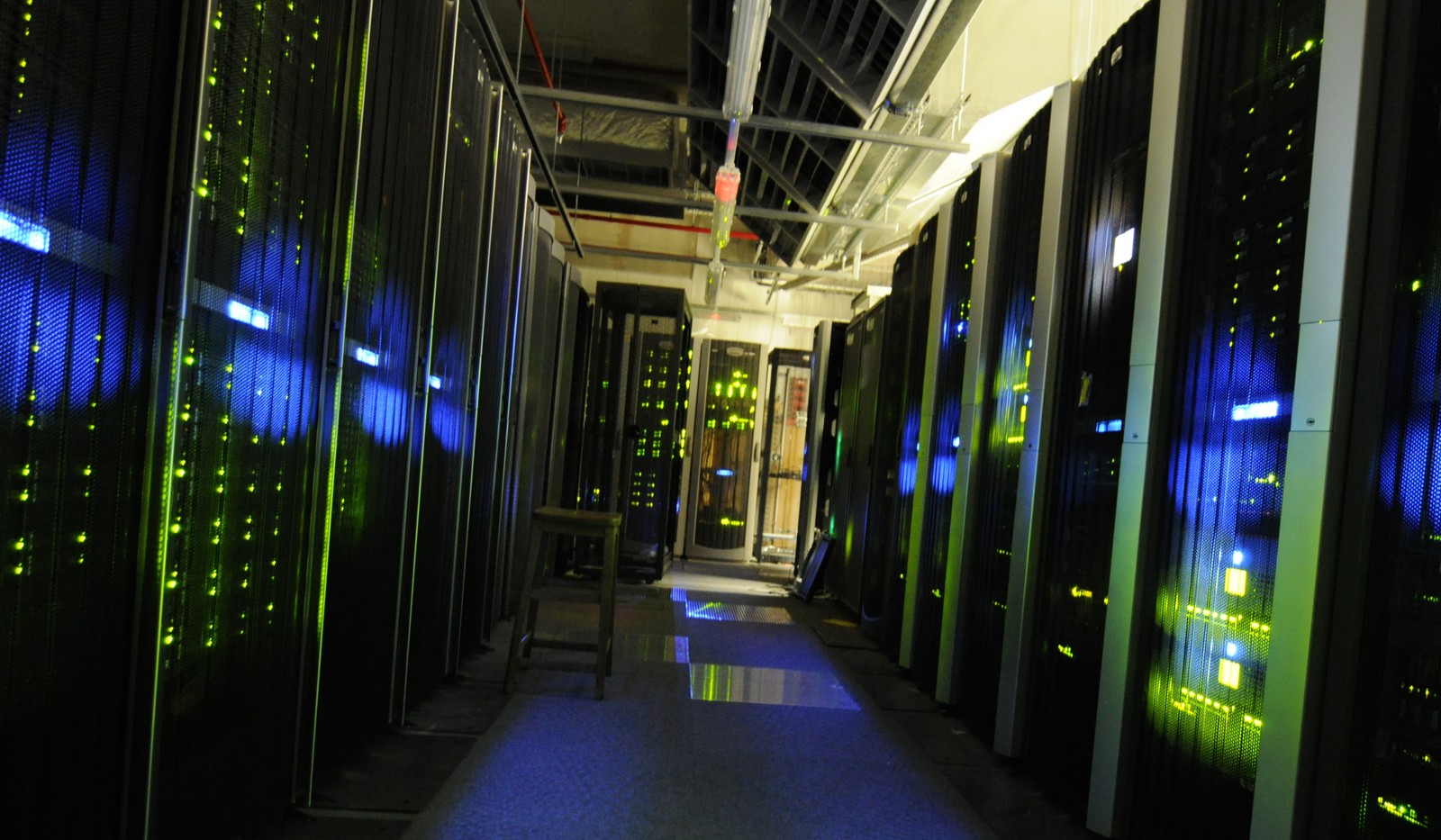
Last Tuesday, Microsoft turned off the lights. Teams, Outlook, and the 365 workspaces that hold half a city’s working life went dark for more than twelve hours. Schools couldn’t take roll. Courts couldn’t file. Small businesses told customers to find them on Facebook. The story made the rounds on every feed, and the usual response was a shrug: it’s just a bad day.

But bad days have a pattern. And the pattern is getting harder to ignore.
The same week, the biggest story in tech wasn’t a new chip or a model that could write better code or an agent that could book your own flights. It was what happened at Nvidia. CEO Jensen Huang stepped down hours after a scandal unfolded, a tale of reported affairs that spanned continents and ended with the company’s founder on the defensive while lawmakers opened an investigation.
Both stories have a name now. The first is enshittification. The second is what it looks like when the people at the top can’t hold the story straight long enough to pretend otherwise.
Enshittification says every platform follows the same three stages. First, it’s good to users, and everyone signs up. Then it turns good to business customers, so it rearranges the product to make advertisers and enterprise clients richer. Then it abuses everyone, users and clients alike, to claw value back for the executives. That’s when the platform becomes a pile of shit. You can watch it happen on Google Search, on Facebook, on Amazon, on Microsoft 365, on OpenAI. The “free” service isn’t free. You’re the product, and the product keeps getting worse.
The Cloud Broke. Again.
We’re used to the cloud working. It’s the floor we walk on. When Outlook goes down for half a day, you don’t think about the people who built it. You think about the people who can’t do their jobs.
Last Tuesday it wasn’t just small businesses. Schools. Courts. Hospitals. A writer who tracked the outage described a day that effectively became a “snow day for adults” — employees celebrating, yes, but institutions grinding to a halt. And it happened on two separate days, not one.
Microsoft also fired tens of thousands of employees, including engineers and managers. The layoffs were sold as a reset. The outages, remember, happened after the layoffs began. The writer put it bluntly: when you cut the people who actually fix things, the mess gets more likely, and it takes longer to fix. The internet has since learned what I learned the hard way in a government ICT office: you cannot patch a culture problem.
The Nvidia Drama, Minus the Hollywood
Nvidia got the column-inches. Huang resigned as president, CEO, and board member, effective immediately, following reports of two affairs — with a third reported days later. The stock, which had touched a record high of $278 on October 6, has since rolled over. Democrats in the US opened an investigation. Questions surfaced about the company’s support for open source AI, its $12.9 billion push into Hugging Face, and whether the person who owns the chip industry can still be trusted.
For most of us, this is entertainment. But it’s also a symptom, and symptoms are worth reading. What we saw wasn’t a company shipping a better product. It was a company running on hype, and the people at the top can’t keep the story straight. When the headlines are about private lives instead of quarterly growth, the machine is wearisome. And someone has to carry the bill: the $3.2 trillion debt that AI and big tech are quietly accumulating across their balance sheets, plus the unpaid grid charges that AI data centers pass to the people who live next to them.
Enshittification, in Three Stages
The writer Cory Doctorow named the thing back in 2022. His theory is simple, and I trust it because it keeps proving itself: platforms start good to users, pulling them in with a promise. Then they turn good to business customers, compromising the experience so the advertisers and enterprise clients can thrive. Then they abuse everyone, users and clients alike, to claw value back for the owners and executives. That is when the platform becomes a pile of shit.
You can watch it happen on Google Search, on Facebook, on Amazon, on Microsoft 365, on OpenAI. The pattern is the same. The “free” service isn’t free. You’re the product, and the product keeps getting worse.
What the Microsoft outage and the Nvidia saga share is that we keep accepting it. We keep logging in. We keep paying for the convenience. We keep telling ourselves the next update will fix it — and then it doesn’t.
Why the Philippines Keeps Absorbing It
Here’s what the big tech story looks like from a Philippine ICT office. We cannot fix the cloud. When it breaks, we wait. We do not patch it. We do not reboot it. We file a ticket, we hope, and we keep working — because there is no fallback.
The grid is the same story. AI data centers are pushing the power sector to its limit. A Cornell–Nature Energy study I covered found they now pay 38% of the bill in some markets, with residents footing the rest. Anthropic alone bought 1.7 GW of gas turbines to keep its own lights on. The Philippines already has among the highest electricity rates in Asia, and we keep importing the same premise: the cloud is coming to us, and we build where the power is.
Every time a major platform goes down here, the whole economy feels it, because we built everything on top of it. An outage in Redmond is a school-closing, a court-delaying, a small-business-closing event. That is the cost of depending on a single provider. We’re not participants; we’re hostage.
What I Want From Big Tech
I don’t want a lecture about “building for the future.” I want plain language. When a service breaks, tell me what happened, who fixed it, and what you’re doing so it doesn’t happen on the third Tuesday. I want less of the “AI-powered everything” half-baked shipping, and more care for the engineers and operators who actually keep the lights on. I want to know who’s accountable when the people at the top are stealing from each other and burning the company down — and leaving the rest of us to pay a $3.2 trillion tab we never chose.
That is not a lot to ask from the companies that make my job possible.
The Way Out Is Messy, and That’s the Point
I’ll be the first to admit: I don’t fix the cloud. I run models locally. The Ollama setup I use for my own work has since become a tutorial on this site — the point is that there is a way out, and it’s not glamorous. It’s harder. It takes effort. It requires owning your own machine, your own tooling, your own stack. And yes, this site is a testament to doing exactly that, at least for the work I can.
We don’t have to consume everything as a fed. Some of us can opt out, one server at a time. Not everybody can. That’s the thing nobody wants to say out loud: the escape hatch is a luxury, and it costs time and money.
Bottom Line
Big tech is not evil. It’s a collection of companies optimizing for the next quarter, and the default posture of the people who use them should be the opposite: pay attention, demand better, and keep your own stack close.
When a platform promises to make everything easier, and then breaks on a Tuesday, the honest reply is not gratitude. It’s the question that’s been in my head since the first outage: who’s actually in charge? If the answer is nobody, we owe it to ourselves to find out.