
The $1,999 Foldable: What the iPhone Duo Taught Me
I used to roll my eyes when foldable phones were discussed. “Not yet,” I would tell anyone who asked, evoking the cracked panel on a Korean prototype, the ungainly creases, the battery that seemed to spend more time deciding whether it wanted to be a phablet or a clamshell. The category, I argued, was waiting for a company with the discipline to build one properly. Then Apple announced the iPhone Duo on September 9, 2026, and I found myself defending a device I had spent years telling people to ignore.
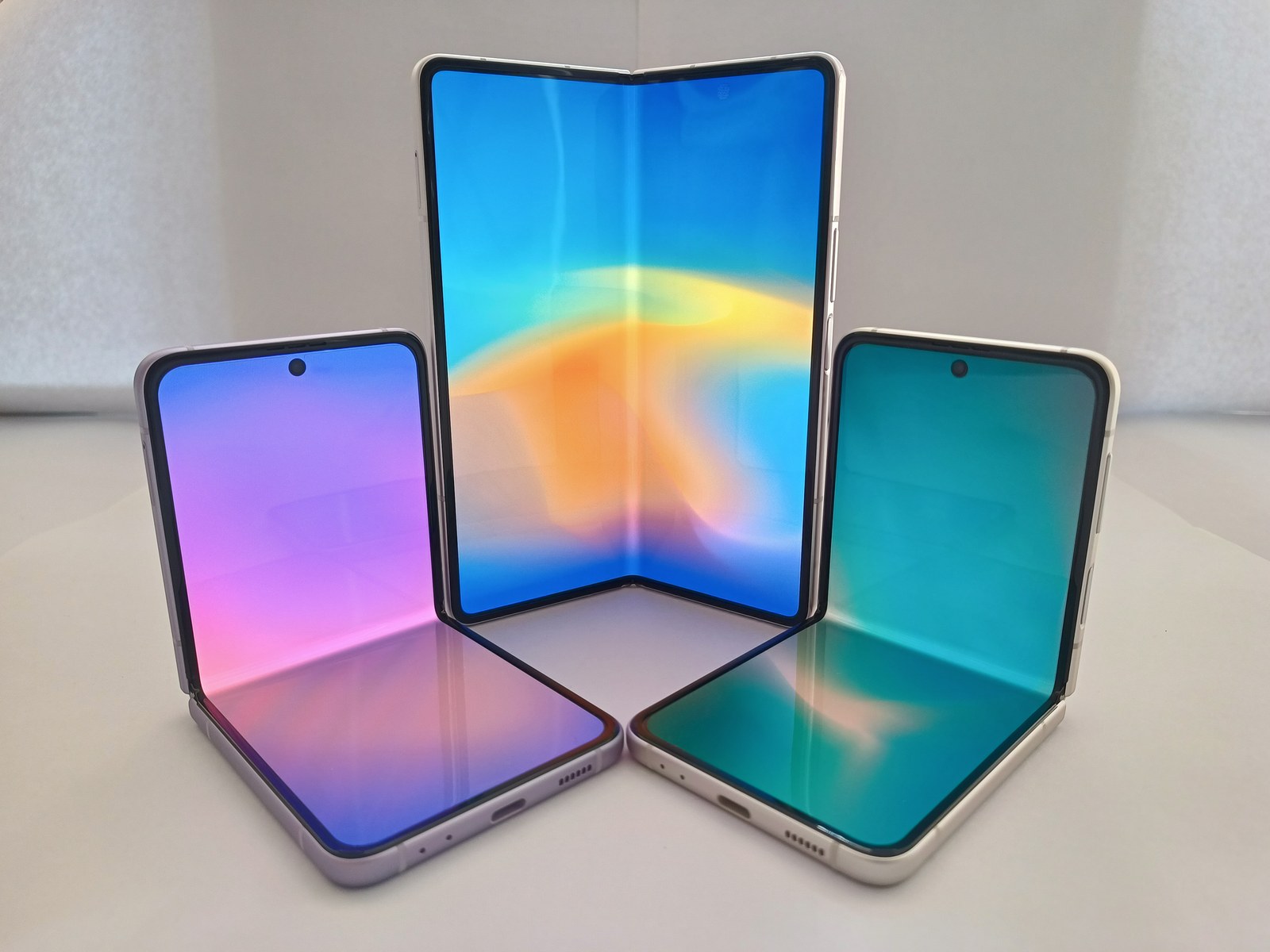
Let me be clear about my bias. I’m an ICT division manager who carries a work phone and a personal phone, who has built small compute clusters on a shelf and who reads more driver forums than fiction. I am not a foldable fanboy. I still don’t recommend a foldable as your first phone. But the iPhone Duo changed the conversation, and I want to explain what it did differently — not because it is the perfect phone, but because it might be the one that finally ended the category’s identity crisis.
What the iPhone Duo actually is
The specs are where the iPhone Duo stops being a curiosity and starts being a genuine alternative. A 7.6-inch inner display that opens to a 5.4-inch outer display, a grade-V titanium body, IP68 water resistance, and a hinge that is supposed to be as smooth as the best of Samsung’s. Apple priced it at $1,999 for 256GB and pushed all the way to $3,199 for the 2TB model — a number that, for most Filipinos, reads like “unaffordable luxury.” And it is.
I was expecting a gimmick with an A-series chip inside. What I got instead is a device that quietly solves the two problems foldables have always been accused of ignoring: durability and single-handed use. The hinge does not fight you. The two screens stay in sync without a visible delay. The outer display gives you a pocketable phone that is no longer a compromise on a 6.1-inch canvas. It is the first time Apple has published a foldable that feels less like a laboratory experiment and more like a product. Of the 44 hours of video playback on the outer display and 31 hours on the inner one that Apple quotes, the battery architecture is genuinely clever — but it is the build that earned my respect.
Two screens, one conversation
My honest take starts with how a foldable actually fits into a day. You unfold it to read a long document. You fold it back down to answer a message while your other hand stays free. You watch a video with the inner screen open and the phone still small enough to squeeze into a jacket pocket. That last part is the quiet magic: a screen that offers a desktop-class canvas and a pocketable one at the same time, with no compromise between them.
This is not a niche experience. It is the experience of someone whose phone is also a calculator, a receipt scanner, a second monitor, and a gaming device. The iPhone Duo’s outer display, which the reviews note delivers 90 percent of the screen area of an iPhone 18 Pro in a form you can actually carry, is the kind of detail that makes you stop debating the category and start using it.
I have been reading the early hands-on reports, and the consensus is consistent: the Duo is the most pocketable of the big foldables, and that matters. A foldable that is too thick to carry is a tablet that folds. A foldable that is too small is a phone that pretends to be bigger. Apple’s answer, for all its price, is the rare one that hits the sweet spot.
The numbers say the category is done proving itself
Apple’s entrance did not happen in a vacuum. Counterpoint Research says global cumulative foldable shipments will pass 100 million units by the end of 2026, with a 37 percent growth rate forecast for 2027 — the highest since 2022. Omdia, meanwhile, expects 2026 to reset year-on-year growth to more than 20 percent after a flat 2025, with shipments reaching 45 million units by 2030, still well under three percent of the total smartphone market but growing at more than 20 percent annually.
That growth is concentrated in “wide book” formats, which is exactly what happened with the iPhone Duo: a large inner display that reads like a tablet you unfold from a pocket. Apple’s own 2026 forecast is six million foldable iPhones, a 25 percent share of the category and second place behind Samsung. For the first time, a company with Apple’s distribution muscle is treating foldables as a mainstream product, not a niche for early adopters.
If you have been on the fence, this is the year the fence moves. The foldable is no longer the unusual presence it was in 2022. It is the normal one, and the iPhone Duo is the excuse the whole category needed to be taken seriously.
What 2027 changes — and what has not
Three things to watch next year. First, the price. Apple has shown that a premium foldable can be priced at a level that is aspirational without being absurd. Samsung has been slowly widening its lineup, and the fact that a foldable now sits at a price point that is a “stretch” rather than “impossible” is a meaningful shift. Second, the hinge. Every manufacturer is chasing the thinnest possible folded profile, and the iPhone Duo’s titanium construction set a benchmark worth copying. Third, the software. Foldables are still treated like two phones in one, and the best experiences come from software that understands a single device can be both a phone and a tablet.
There is a real-world reason to watch this beyond the specs. The foldable market is where the future of the smartphone is being decided — not in a lab, but in the pockets of people who carry a computer every day. If foldables win on the people who carry them, the whole industry follows.
The honest caveat
I’ll say it plainly: I would buy the iPhone Duo if I were not the person who has to worry about dropping things on concrete in a tropical climate. It is the first foldable I would trust with a wallet, a keyboard, and a cup of coffee. If you are someone who carries a phone for work, who needs a large screen for documents and calls, and who values build quality over a mid-range price, the foldable is no longer a question mark. It is the answer you did not know you were waiting for.
For the rest of us, the advice is the same as it has always been. Do not buy a gadget because it is new. Buy the thing you understand, the thing that fits your life, and the thing you can actually repair. The foldable category has earned the right to be taken seriously. Whether it earns yours depends on whether you are ready to treat it like a computer — because that is what it is.
If you are deciding between a flagship slab and a foldable, I’d recommend reading my recent Galaxy S27 Pro review and the honest iQOO 16R trade-off piece before you commit. Both reviews are about the same question: what do you actually carry in your pocket, and what are you willing to pay for it?
Related reading on what makes a flagship worth its price: Galaxy S27 Pro Review: Exynos 2700 vs Snapdragon 8 Elite Gen 6 benchmarks. And if you want to see how a real review weighs a bigger battery against a smaller chipset, the iQOO 16R review covers the trade-off honestly.
For the wider context on why smartphones keep getting scarcer and pricier even as the foldable category grows, Why Phones Are Getting Scarcer and More Expensive digs into the hardware squeeze behind the premium prices.