
For years, the biggest argument against buying electric in the Philippines was simple: the affordable models were either too small, too slow, or simply not sold here. That line has now moved. BYD’s entry-level City SUV, the Seagull, is on sale here at PHP 968,000 — putting a genuine battery-electric option within reach of city commuters, delivery riders, and first-time EV buyers who never thought the deal was for them.
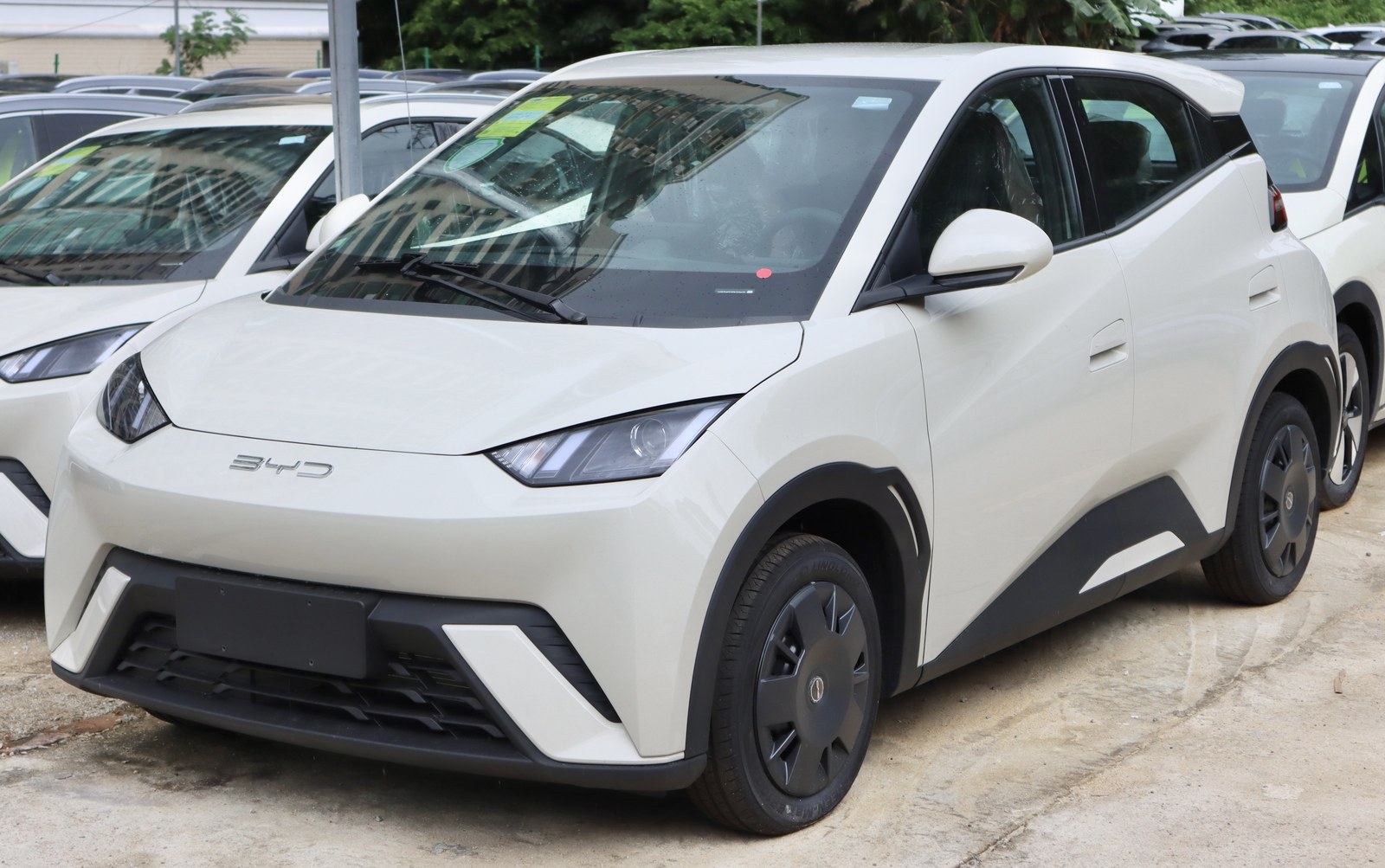

The Seagull is not a compromise in disguise. It is a dedicated city car: light, cheap to run, and built around the stalls and traffic of Metro Manila rather than the open highway.
Under the skin: the numbers that matter
BYD lists a permanent-magnet synchronous motor producing 75 PS and 135 Nm, front-wheel drive, on a 30 kWh Blade Battery. The official figures put the range at 300 km on the NEDC cycle — a decent figure for stop-and-go driving, where the Seagull actually shines. It seats five, has 500 mm of ground clearance, and is small enough to squeeze into tight city parking.
At PHP 968,000, the Seagull beats the VinFast VF 8 (which starts at PHP 1.548 million with battery subscription) and the Dongfeng Mage EV (around PHP 1.398 million). It is the cheapest pure-electric SUV in the Philippine line-up today, and it undercuts most entry-level hybrid SUVs by a wide margin.
The all-new Seagull: Flash Charging and 400 km
In China, BYD has since unveiled the all-new (second-generation) Seagull, and the updates are worth watching. The new model adds “Flash Charging” — BYD claims a 10 to 70 percent charge in about five minutes — on the larger battery pack, alongside a claimed up to 405 km of range (CLTC). An optional LiDAR sensor sits on the top trim.
As of this writing, BYD has not yet confirmed a Filipino launch date for the all-new Seagull. It is coming, but the exact trim and price here are unconfirmed. The car now on sale in the Philippines is the outgoing first-generation model. Keep that separation in mind when you read the Korean and Chinese headlines about Flash Charging.
If the all-new Seagull reaches the Philippines, the charging story changes for city drivers: a quick top-up at a public DC fast charger could push a commuter several more hours of city driving, and that is exactly the kind of convenience Filipinos need to trust the switch to electric.
Filipino roads: floods, heat, and distances
Living in the Philippines means designing for the worst. The Seagull’s 300 mm ground clearance is modest but adequate for most flood-prone streets, and its compact footprint survives the heat of Metro Manila. Battery thermal management is the real story in our climate: high heat raises charging time and, over years, can slowly eat range.
For city commuting, the Seagull’s strong point is that it can be plugged into a standard household outlet (the official tech page lists a 6.6 kW AC charger). A full charge overnight costs a few hundred pesos at residential rates — a fraction of what a petrol scooter or car costs per kilometre. For long-distance runs, the story is different: you will need to plan charging stops, and the small battery means more frequently. The rule of thumb for PH buyers is to treat it as a second car or a city runabout, not a weekend getaway vehicle.
Charging network coverage still lags in provincial areas. Our guide to EV charging in the Philippines covers the rollout status and where the gaps are before you commit to a purchase.
Verdict: who is the Seagull for?
The Seagull is the best EV buy in the country for a narrow audience: daily commuters in Metro Manila, delivery riders, and budget-conscious families who want pure-electric running costs without paying PHEV-level money. It is not a substitute for a family hauler — the five-seat cabin means little luggage space beyond the boot — and you should not buy it if you regularly drive beyond 150 km a day.
Compare the two EV approaches on the market: the Li-ion battery plus affordable price of BYD’s Seagull versus the battery-subscription model of VinFast, and the tiny-commercial-van segment where the Kia PV5 is carving out a role. Our Kia PV5 review explains why the cargo-van segment is the next frontier for EV adoption in the country.
Bottom line: the Seagull is a real win for city driving in the Philippines — the cheapest electric option on sale, with low running costs and a genuinely practical size. Buy it only if your miles are mostly in town. If you need range, keep looking at the mid-size SUVs with bigger batteries, or consider the Kia PV5 if you need a commercial van.