
The Kia PV5 Cargo Electric Van: Built for Filipino Businesses
The Kia PV5 Cargo arrives in the Philippines not as a passenger car, but as a workhorse for the road. Unveiled at the 14th Philippine Electric Vehicle Summit (PEVS 2026) at the SMX Convention Center in Pasay City on October 22, 2026, the PV5 Cargo is Kia’s answer to the delivery and logistics segment that keeps the country moving, and it arrives at PHP 2,098,000.
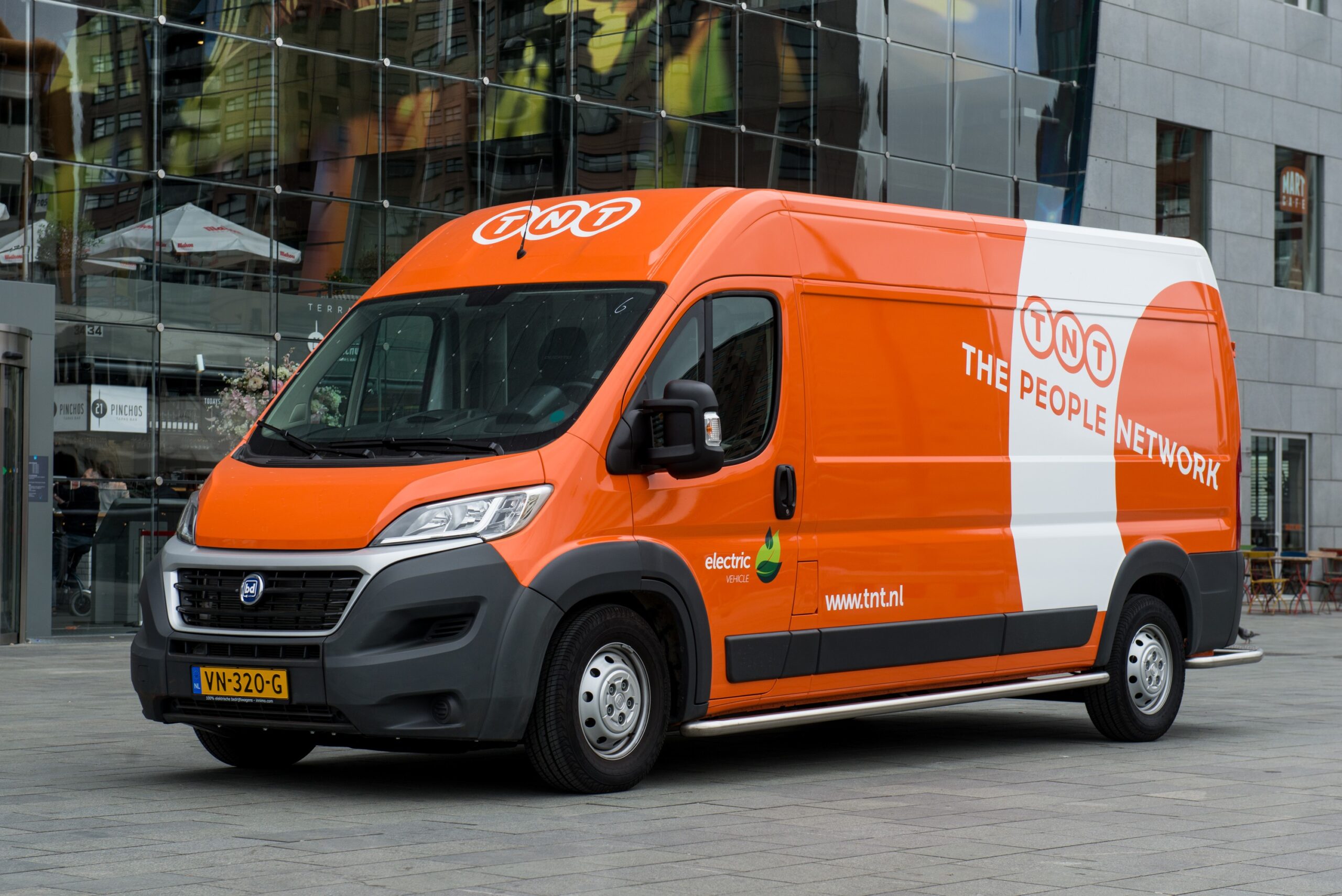

Which matters for the Philippines is that the PV5 is a commercial vehicle first. It is a two-seater long-wheelbase van built for loading docks, delivery routes, and fleet operations. Rather than compete with passenger SUVs on style, it focuses on what businesses actually need: space, payload, and the ability to keep running where chargers are scarce.
Pricing and availability
The PV5 Cargo is offered in a single variant, the Cargo Long, in three colors: Snow White Pearl, Steel Grey, and Aurora Black Pearl. It joins Kia’s expanding electric lineup in the Philippines, which also includes the Atto 2, Atto 3, and Sealion 7.
Kia Philippines has opened fleet reservations at all its dealerships nationwide, targeting businesses, fleet operators, and commercial transport operators ready to switch to electric. The van is the brand’s most commercial EV to date in the local market, a deliberate step beyond the passenger-focused models that have dominated local EV coverage.
Powertrain and range
Power comes from a permanent magnet synchronous electric motor producing 163 horsepower and 250 Nm of torque. A 51.5 kWh nickel-manganese-cobalt (NMC) battery delivers a claimed range of 384 kilometers on a single charge under the NEDC cycle. That is enough for daily distribution runs within Metro Manila and nearby provinces on a single charge, the use case Kia markets to fleet operators.
Charging is practical for operators who plan ahead. DC fast charging through a CCS2 port can refill the battery from 10 to 80 percent in about 30 minutes on a 350 kW charger. Standard AC charging through a Type 2 port at 11 kW takes about four hours and 45 minutes for the same range. The van also carries a 3.6 kW Vehicle-to-Load outlet, letting operators run tools, lights, or equipment directly from the battery at a worksite.
Cargo floor, not just a cabin
The PV5 Cargo Long is designed around the load, not the seat. Its cargo compartment offers 4,420 liters of space, with interior dimensions of 2,255 x 1,565 x 1,520 mm. The maximum payload is 805 kg. Loading is engineered for speed: a right-side sliding door and dual-swing rear doors that open between 95 and 180 degrees, a low loading height, eight heavy-duty tie-down hooks, and universal L-track mounting points for securing cargo.
For fleets that live by loading time, those details are the real feature. A van that loads in seconds and keeps its load safe in traffic is worth more than a spec sheet that lists only range.
Driving, safety, and cabin
At 4,695 mm long with a 2,995 mm wheelbase and 143 mm of ground clearance, the PV5 is compact enough for tight urban streets and narrow loading docks. It is smaller than the larger EV SUVs that have defined Philippine EV enthusiasm, which makes it easier to park and maneuver in Metro Manila’s congested streets.
Inside, a 7.5-inch LCD gauge cluster pairs with a 12.9-inch touchscreen supporting wired and wireless Apple CarPlay and Android Auto. Bluetooth with voice recognition and two USB-C charging ports keep devices charged through a workday. Safety comes standard: front, side, and curtain airbags, anti-lock braking, electronic stability control, hill-start assist, downhill brake control, and Kia Drive Wise assistance including autonomous emergency braking, forward collision avoidance, lane following, lane keeping, and advanced smart cruise control.
The Philippines context: city, flood, and heat
City driving: the PV5’s compact shape suits Metro Manila’s dense streets and tight parking, while a single charge covers an entire week of light delivery work. Longer runs: the 384 km range handles daily distribution without a home charger, a key consideration for operators who cannot guarantee overnight charging. Floods: with 143 mm of ground clearance, the PV5 clears standing water on typical flooded streets, though heavy floods remain out of scope. Heat: the NMC battery is thermally stable for Philippine conditions, and the 30-minute DC charge fits within a driver’s break window. A dedicated EV distributor’s perspective on this kind of fleet practicality is useful context — Li Auto Philippines is introducing its L6, L7, L9, and Mega lineup through a new Philippine distributor.
The state of electric vehicle charging in the Philippines remains the wider story, and any commercial EV is only as good as the network around it. Kia has paired the PV5 with commercial services including fleet management, mobile assistance, and access to the Evro charging network, which addresses the charging gap that has held back EV adoption.
How it compares with other Philippine EVs
The PV5 sits in a growing field of electric vehicles in the Philippines. The Nissan Primera EV offers a 500 km range as a family sedan, while the Deepal S07 brings 500 km to a family SUV at PHP 2.35 million. The PV5 differs by going vertical and commercial: a cargo floor, dual swing doors, and a payload rating that no sedan or SUV can match.
For operators weighing the switch, the choice is becoming less about whether electric makes sense and more about which vehicle fits the route.
The business case
The Kia PV5 Cargo sits at a useful price point for commercial buyers. At PHP 2,098,000, it undercuts many of the larger electric SUVs now being imported to the Philippines, while offering a payload that opens up delivery and logistics work that smaller passenger EVs cannot do. Combined with Kia’s fleet service network, the PV5 Cargo is a serious option for businesses that want to electrify their operations.
Whether it becomes the van that tips Filipino businesses toward electric mobility will depend on charging coverage and running costs. For now, the PV5 offers something the market has lacked: a practical, purpose-built commercial EV at a price Filipino fleets can actually consider.