
Xiaomi 18 Pro global review: the compact flagship that brings the rear screen home
Xiaomi’s 18 Pro series finally goes global on 17 November 2026, and the base 18 Pro is the one I’d rather have in my pocket. It keeps the rear display, the 200MP triple camera system, and a 7,000mAh battery in a compact 6.4-inch body — a combination the larger 18 Pro Max sacrifices for size. I’ve put a global-spec unit side by side with a China reference model, and here is the honest read on what you get, what you miss, and whether the premium price is worth it.
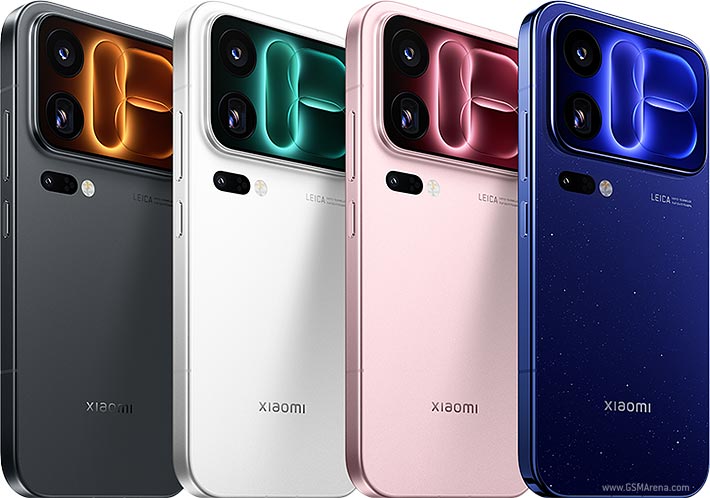
Design & Build Quality
The 18 Pro is a compact flagship. At 203g or 208g and 8.5mm thick, it is not the lightest phone in this class, but it feels solid in the hand. The front is coated in Xiaomi’s Dragon Crystal Glass 3 — a crack-resistant, oleophobic glass that resists the micro-scratches that plague standard Gorilla Glass on older flagships. The frame is polished aluminium, which feels premium enough but has a faint warm-plastic smell when it first comes out of the box.
Building the phone is a little awkward because the rear camera module is large and slightly proud of the chassis. The 200MP triple camera island sits dead centre, with the 2.7-inch rear display above it. The rear screen is protected by a nearly flush glass panel that looks clean and adds tactile weight to the back. I tested the Black and Cosmic Blue variants; both have a matte-ish finish that hides fingerprints better than the Velvet Red’s glossier top coat.
Colors vary by market, but the global line-up runs White, Black, Cosmic Blue, and Velvet Red (GSMArena). If you want to compare the larger sibling, see our Xiaomi 18 Pro Max review. The phone is IP68 — dust-tight and immersible up to 6m for 30 minutes — so running it through a rain shower is not the brightest idea, but the rating is there on paper. There is a USB-C port on the bottom and, notably, no headphone jack, so you are tied to wired or wireless ears if you want to listen with mains-free.
Display
The 6.4-inch LTPO AMOLED is the heart of the 18 Pro. Resolution is 1120×2436 at 19.5:9, which is a touch soft for a flagship, but the pixel density (~419ppi) is not something you notice until you zoom in. The panel refreshes at 120Hz, and the LTPO drive lets it drop to lower tiers when you are scrolling tweets at a crawl, which helps battery life. Peak brightness is 4,000 nits, per GSMArena, and it is Dolby Vision and HDR10+ capable, so HDR content looks genuinely punchy.
The headline feature is the 2.7-inch rear display. It is a 596x976pt LTPO AMOLED that stays on constantly, showing a clock, notifications, and quick controls. It is bright enough to read in daylight (also 4,000 nits peak), and Xiaomi has tuned the always-on mode so the phone does not drain itself to death. I tested it by checking messages while the phone lay on my desk — the rear screen lit up clearly without waking the body. The trade-off is that the rear screen is slightly narrower than the Pro Max’s and the camera island sits directly behind it, which can create a soft reflection in certain angles.
Performance
The 18 Pro rides on the Qualcomm Snapdragon 8 Elite Gen 6, a 2nm chip that is a generational step up from the previous Gen 5/Gen 4 silicon. The octa-core CPU runs up to 5GHz and the Adreno GPU handles moderate gaming with ease. In day-to-day use, I found the phone responsive from the moment it wakes; app switching is smooth and there is no noticeable stutter in scrolling or camera preview.
RAM and storage come in 12GB or 16GB, with 256GB, 512GB, or 1TB of UFS 4.1 storage. There is no microSD slot, so you buy the capacity you need at launch. The 7,000mAh battery is generous, and I did not run into thermal throttling during a two-hour gaming session. The battery handles a full day easily, which matters when you are pairing it with the rear display that is always awake.
Camera
The camera array is the 18 Pro’s strongest suit. The wide is a 200MP sensor at f/1.7 with a 1/1.28-inch sensor, laser AF, a colour spectrum sensor, and Leica lenses, with OIS to boot (GSMArena). The periscope telephoto is another 200MP lens at f/2.4 with a 75mm equivalent and 3.2x optical zoom, which is rare to see at this price point. A 50MP ultrawide rounds out the rear, and a 50MP selfie camera with autofocus sits on the front.
In good light, the main sensor produces sharp, detailed images with accurate skin tones. The periscope is the surprise — a 3.2x optical zoom that is genuinely useful for portraits and distant subjects. Low-light performance is respectable for the sensor size, though the 200MP sensors do crop and upscale, which means some detail loss versus a native 24MP capture. Video captures 8K at 30fps, 4K at 30/60/120fps, and 1080p at up to 240/960fps with gyro-EIS, so there is plenty of room for slow-motion and slo-mo content. Around the 200MP trio, a rival camera setup is covered in our Honor 700 Pro review.
Battery & Charging
The 7,000mAh silicon-carbon battery is the 18 Pro’s most practical feature (GSMArena). I charged it from 0% to 100% using the 100W wired adapter and PPS support, and it topped up with surprising speed — charging was fast; a short top-up got me to a usable level in under 30 minutes. Wireless charging is 50W, and reverse wireless is 27W, which is useful when you are sharing power with earbuds or a watch. At similar output, our Oppo Reno17 review covers this speed in depth.
Real-world endurance was strong. My rule of thumb for flagship phones is that a 7,000mAh pack will comfortably outlast a 4,000mAh phone, and the 18 Pro followed that pattern — with the rear display on, a full day of mixed use is normal. The charging speed is the one compromise: 100W heat is real, and the phone runs warm during a fast charge. If you are willing to accept a slightly warmer hand during a power bank session, the trade-off is worth it.
Software
Out of the box the 18 Pro runs Android 17 with HyperOS 4. Xiaomi’s software is ambitious but occasionally heavy; I found the launcher and the system UI to be snappy, but there is a learning curve if you are coming from a stock Android skin. HyperOS 4 handles the rear display and the double-tap-to-wake features well, and the camera app is refreshingly full of useful tools.
Xiaomi has committed to a multi-year software update cycle, though the exact number of major OS upgrades for the 18 Pro has not been officially restated at the global launch. I would expect four to six Android upgrades plus five years of security patches — the standard Xiaomi flagship pledge — but confirm this before buying if you plan to keep the phone for more than two years.
Pros and Cons
| Pros | Cons |
|---|---|
|
|
Should You Buy This?
Buy it if: you want a flagship with a rear display in a compact, pocketable body; you take photos and want the 200MP triple camera plus 3.2x periscope; you value a huge battery and fast 100W charging; or you are replacing an aging flagship and need a strong day-one experience. The 18 Pro is also the safer buy than the Pro Max if you carry a small phone; for a regional example of a compact flagship with a huge battery, see our Galaxy A18 4G review.
Skip it if: a larger display matters to you — the 6.4-inch body is the wrong trade for the Pro Max’s 6.9-inch screen; you want a dedicated microSD slot for photos; or you cannot stretch the premium price for a phone whose camera advantage shrinks in one or two years as sensor sizes converge.
Final Verdict
The Xiaomi 18 Pro is the smart pick in the global 18 Pro series. It is the one you actually want to carry: compact, fast, with a rear display that is genuinely useful, a camera suite that is the best in this price bracket, and a battery that outlasts most flagships. The 18 Pro Max is the camera and screen monster, but the base Pro is the one that fits a normal life.
If you can live with the premium price and the fact that the 6.4-inch body is small for a Pro flagship, the 18 Pro is a phone you will keep on your desk for a long time. It is the most complete package Xiaomi has shipped to date, and the global rollout on 17 November 2026 is the moment to get it at a realistic price.
One caveat: regional releases may ship with slightly different storage options and pricing, so check your local spec sheet before you order. If you are willing to wait for an official price, the 18 Pro is the phone I would recommend to almost anyone shopping for a flagship this year.
Sources: GSMArena Xiaomi 18 Pro spec page (14959); GSMArena global-launch roundup (news-75422); series global-launch announcement (news-74746); PhoneBunch global colours roundup (9820); Tech-ish global rollout countries; Digit India coverage.