
The first time I read that smartphone makers were pulling memory chips out of old phones and soldering them into new ones, I’ll admit my gut reaction was something close to disgust. Recycled RAM? In a brand-new phone? That sounds like the kind of corner-cutting that belongs in a gray-market repair shop, not in a device you’re supposed to trust for two years.

Then I looked at the numbers, and I changed my mind.
What “reballing” actually means
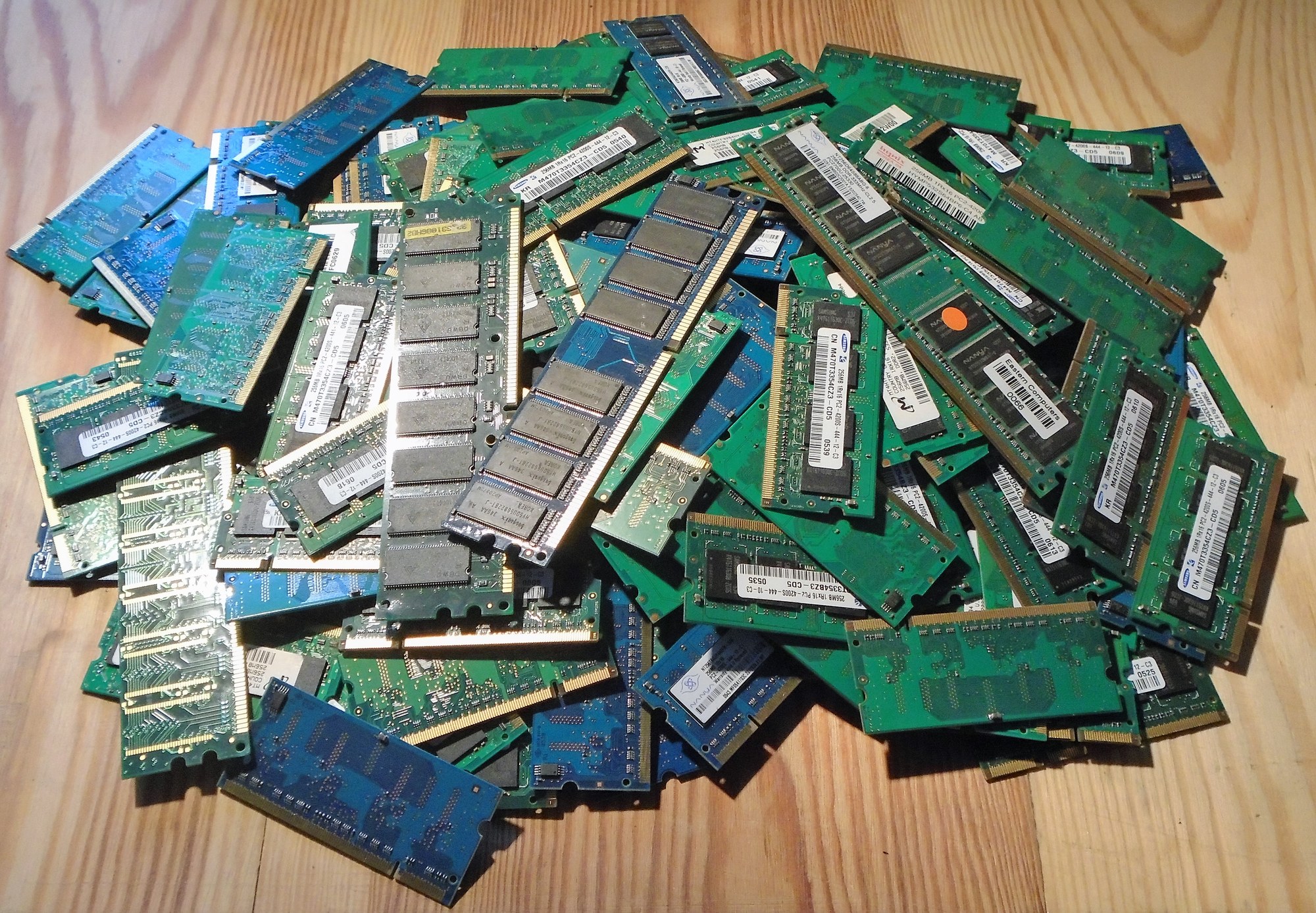
The process has a name: reballing. A used memory chip — usually a 4GB LPDDR4X module — gets desoldered from an old phone, laptop, or server board. Technicians clean the residual solder off its contacts, apply fresh solder balls with a stencil and specialized equipment, and reflow it onto a new motherboard. It’s the same BGA (ball grid array) mounting technique used in original manufacturing, just applied to a chip that has already lived one life.
TrendForce, the market research firm tracking this, estimates reballed memory already shows up in roughly 3 to 4 percent of smartphones sold worldwide in 2026 — almost all of them budget devices. By 2027, that figure could climb to 7 to 9 percent. Roughly doubling in a single year.
That sounds alarming until you understand what is driving it. This is not a quality crisis. It is a supply chain that got squeezed from the top.
Follow the wafers
To understand why, you have to follow the money — and the silicon. AI data centers are consuming memory at a rate nobody planned for. High-bandwidth memory, or HBM, powers AI accelerators, and manufacturing one gigabyte of HBM consumes roughly three times the wafer area of standard DDR5. Every wafer that Samsung, SK hynix, and Micron redirect toward HBM is a wafer that cannot produce the ordinary DRAM that goes into phones.
The result has been brutal. TrendForce tracked the contract price of a 16-Gbit DDR5 chip rising from $8.70 in October 2025 to $48 in September 2026 — a 450 percent increase in under a year. Gartner projects DRAM and SSD prices rising 130 percent by the end of 2026. Counterpoint Research reported that Q3 2026 memory revenue surged 369 percent year over year, while smartphone shipments fell by at least a fifth. Another estimate, from the Center for Strategic and International Studies, puts the average smartphone selling price at a record $523 in 2026, up 14 percent from the year before.
Budget phones are getting squeezed out of existence. And that should worry you if you have ever bought a phone for a family member, managed a procurement budget, or simply noticed that the cheap phones are getting less cheap.
My honest take: it’s a symptom, not a scandal
So here is where I land: reballing memory is not the scandal. It is the symptom.
I do not blame manufacturers for doing this. When the price of new memory quadruples and your biggest market is people who cannot afford a flagship, you have three choices: raise prices, cut corners, or get creative. Reballing is the creative option. It keeps the bill of materials manageable and lets a brand still advertise “4GB of RAM” on a phone that retails for under $200. From an engineering standpoint, it is a rational response to a broken supply chain.
The scandal — and yes, I think there is one — is the opacity. Nobody is putting a label on the box that says “this phone contains recycled memory.” TrendForce explicitly warns that sourcing reballed components is more complex and their quality less consistent, which can compromise reliability and shorten device lifespans. Counterpoint notes that aging memory has weaker data retention and a higher error risk. These are not trivial concerns. They are exactly the kind of thing a buyer deserves to know before spending their money.
I have written before about how AI’s costs get hidden — the power draw, the water, the infrastructure debt that does not show up on a balance sheet. This is the same pattern in miniature. The AI industry’s appetite for memory is reshaping the budget phone market, and the people paying for it are the least able to absorb the cost.
What this means for buyers
If you are buying a budget phone in the next couple of years — and in the Philippines, that is most of the market — here is what I would actually watch for. First, buy from brands with a real warranty and service network. A recycled memory chip is not automatically defective, but if it does fail, you want a company that will honor the warranty instead of ghosting you. Second, pay attention to software updates. A phone that gets security patches for three years is a safer bet than a cheaper one abandoned after one. Third, if you can stretch to a device with more headroom, do it. The pressure to cut costs will keep migrating upward — TrendForce expects lower-spec components to creep into higher price segments too.
And if you are a developer or an IT manager evaluating devices for deployment, treat this as a supply chain question, not just a specs question. The same fragility I wrote about when the jscrambler npm package turned out to be dropping an infostealer is showing up in hardware: the components in your device come from somewhere, and “somewhere” matters.
I learned this the hard way in government procurement. When you are buying devices for an entire division, the cheapest per-unit price is rarely the cheapest total cost. A phone that fails eighteen months in costs you more than the one you skipped. The same logic applies here.
The bigger picture
Zoom out far enough and this is a story about what AI demand does to everything else. The memory shortage is not a blip. TeamGroup’s CEO expects the worst of it to hit between the fourth quarter of 2026 and the middle of 2027, with supply and demand not balancing until the second half of 2028 at the earliest. New fabs will not start production until 2028 — the same AI infrastructure buildout I covered when Marvell bought Lumentum for $115 billion.
Recycled memory will not fix that. TrendForce is clear that reballed chips will remain a modest share of total LPDRAM consumption and are “unlikely to significantly disrupt the prevailing upward trend in DRAM contract prices.” It is a pressure valve, not a solution.
Bottom line
So no, I am not mad about recycled RAM. I am mad that it is necessary. There is a difference. The engineering is clever, the economics are rational, and the people doing it are just trying to keep phones affordable in a market that got turned upside down by AI.
But the next time you pick up a budget phone, remember: the most interesting thing about it might not be what is on the box. It is the second life of the parts inside it.