
Every few years, someone announces they’re going to rebuild the American computer industry from scratch. Most of the time, it’s vapor. This time, it might actually be serious — and that’s both exciting and frustrating.
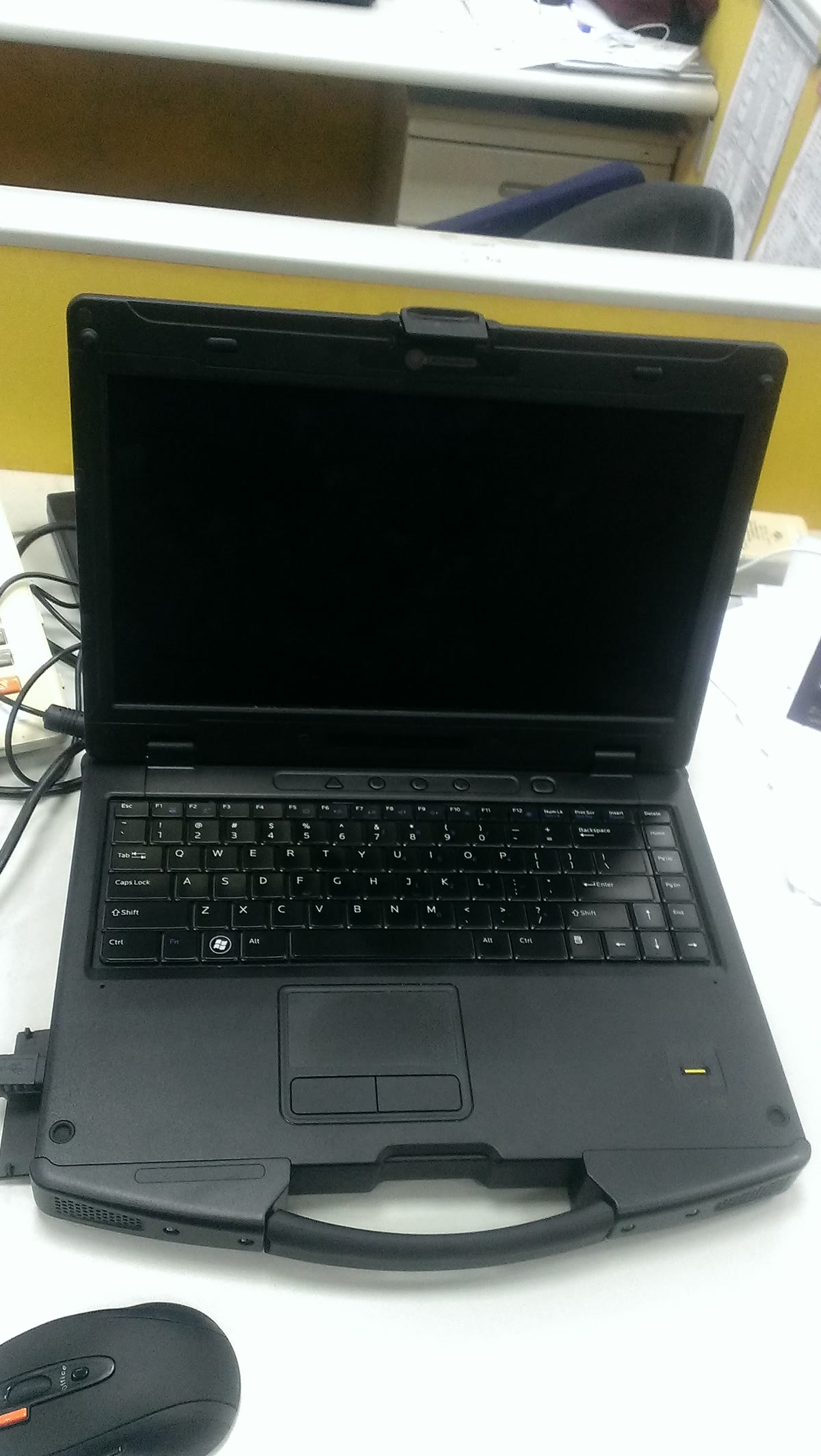
Anduril, Palmer Luckey’s defense technology company, just unveiled BlueChip: a rugged laptop designed and assembled in the United States, powered by Qualcomm’s Snapdragon X Series, and priced at roughly 20 percent above comparable high-end PCs. The announcement, reported by TechCrunch, reads more like a supply-chain manifesto than a product launch. The first models won’t hit store shelves. They’re aimed at military personnel, government agencies, first responders, and law enforcement. Preorders open in 2027.
I’ve been watching the supply-chain security space for a while now. The idea that 90 percent of a laptop’s bill of materials should come from the U.S. or allied countries isn’t just patriotism — it’s risk management. When your country’s critical infrastructure runs on hardware assembled halfway across the world, every geopolitical tremor becomes a potential outage.

The Supply Chain Argument Actually Holds Up
Let me be clear: I’m not arguing for isolationism. But when I read that Anduril is already sourcing 90 percent of BlueChip’s components domestically or from allied nations, and that the motherboard will be assembled at its Arsenal-1 factory in Ohio, I pay attention. This isn’t a marketing slide. They have functional prototypes.
The processor is a Snapdragon X Series chip manufactured at TSMC’s Arizona facility. TechPowerUp’s coverage notes that the same architecture already powers Microsoft’s Surface devices, which is a useful benchmark for compatibility expectations. That’s a real, working fab on American soil — not a plan, not a promise, but an operational facility producing silicon today. The remaining 10 percent of components? Anduril says it’s working on domestic production for displays, metal parts, and magnetic components. That’s the hard stuff, and it will take time.
What I appreciate about Anduril’s approach is honesty about the timeline. Luckey explicitly said some suppliers aren’t finalized yet. The company hasn’t published exact specs. There’s no pretend “revolutionary” marketing around a product that doesn’t exist. That restraint is rare in tech.
Rugged Always Comes With Trade-offs
Here’s the part the press releases gloss over: a laptop built to withstand rain, dust, and drops is going to be heavier than the MacBook Pro you toss in your backpack. Battery life will suffer because the engineering margins are tighter. A 20 percent price premium isn’t a choice — it’s the math of domestic manufacturing at low volume.
For a soldier in a dusty base or a first responder running into a burning building, those trade-offs are worth it. For a knowledge worker who mostly sits at a desk and video conferences? Probably not. Anduril knows this. The initial target market is explicitly security-conscious buyers, not consumers.
But here’s my honest take: I want one. Not because I need MIL-STD-810H certification, but because I’m tired of the same slab of aluminum from the same two manufacturers. A laptop that tells you exactly where every part came from, that’s assembled in Ohio rather than Shenzhen, that runs Windows and older Linux distributions used by governments? That’s refreshing.
Snapdragon X: The Elephant in the Room
Qualcomm’s Arm-based chips have been powering Windows laptops for a few years now, and the compatibility story is better than it was in 2020 — but it’s still not x86. Anduril says it’s working to ensure Windows application compatibility and support for government Linux distributions. That’s the right thing to say, but until I see the compatibility matrix, I’m skeptical.
If BlueChip runs the same Snapdragon X architecture found in Microsoft’s Surface devices, then the software experience will be fine for most productivity tasks. Edge cases — legacy government applications, specialized engineering tools, certain cybersecurity software — those are the real test. Anduril hasn’t released a spec sheet, so we’re taking their word for it.
What This Means for the Rest of Us
The most interesting question isn’t whether BlueChip is good. It’s whether Anduril’s supply-chain play creates a template that other manufacturers can follow. If the U.S. government commits to buying domestically-assembled hardware, the volume could justify the cost premium. Over time, that premium shrinks.
I’ve been critical of the defense industry’s tendency to build expensive toys that don’t scale — a concern that mirrors the broader AI investment conversation right now. But BlueChip isn’t a weapons system. It’s a laptop. And if the same domestic sourcing model eventually trickles down to consumer devices — which Luckey hinted at, though without a timeline — then this is genuinely historic.
The alternative is more of the same: Apple laptops assembled in China, Dell components from a dozen countries, and the constant low-grade anxiety that a trade dispute or pandemic could strand your supply chain. BlueChip won’t solve that for consumers tomorrow. But it might be the proof of concept that makes other manufacturers look up from their spreadsheets.
Bottom line: BlueChip is a bet that supply-chain security is worth paying for. For the specific buyers Anduril is targeting, it probably is. For the rest of us, it’s a signal that the era of pure cost optimization might finally be ending — and not a moment too soon.