
BYD just added a second pickup to its lineup, and this one might matter more to the Philippines than the bigger Shark did. Meet the Mako PHEV — a mid-size plug-in hybrid pickup revealed this week in Brazil, built on the same platform as the Song Plus, which we know here as the Sealion 6.
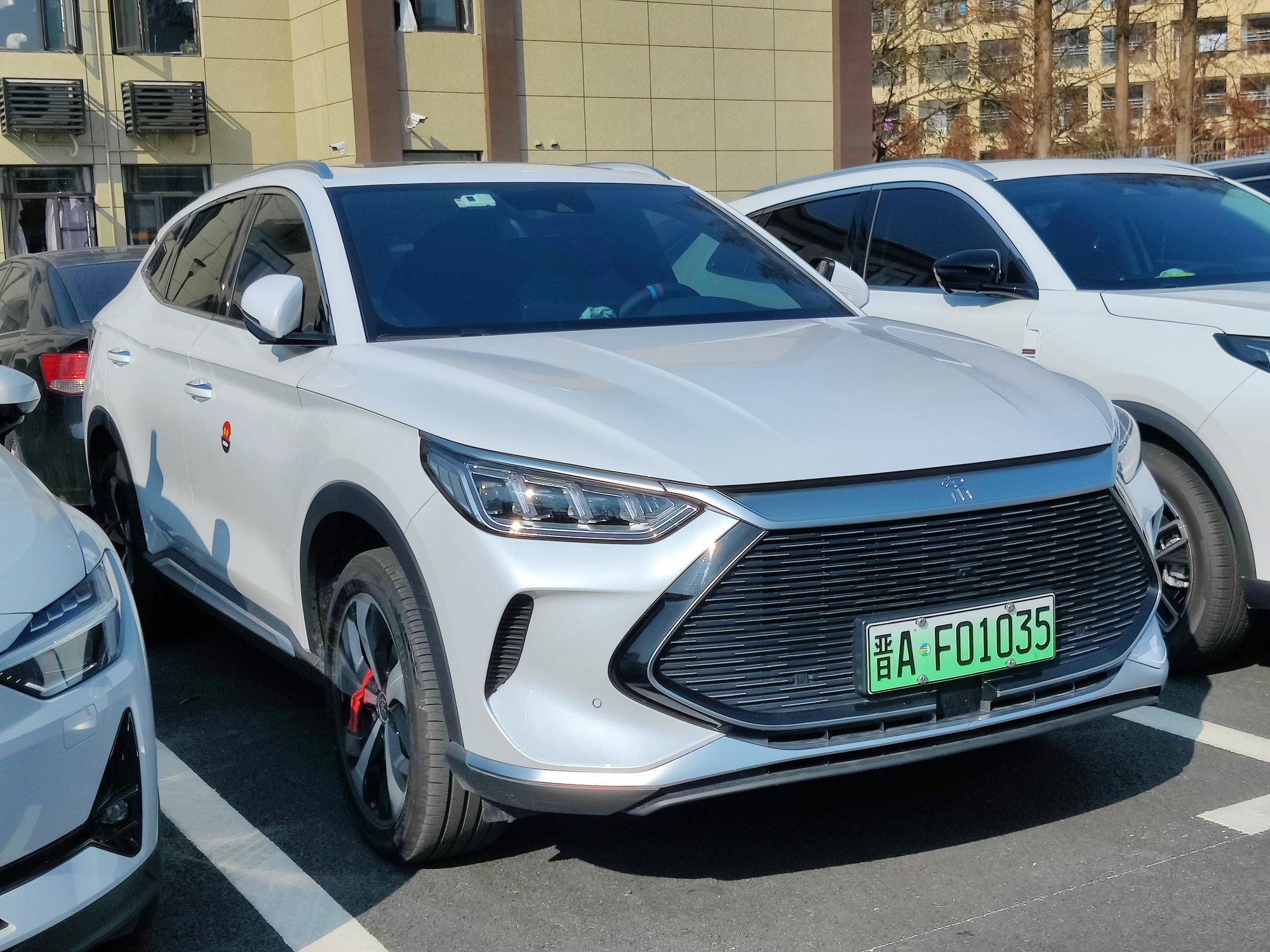

I wrote recently about how BYD has been on an absolute tear in the Philippines — record sales, a founder’s visit, and a dealer network that’s exploded to 81 strong. A cheaper, smaller electrified pickup could be the brand’s next move in a market that loves its trucks.
What Exactly Is the BYD Mako?
The Mako is BYD’s second pickup truck — the Shark 6 is the bigger, brawnier one. The Mako sits below it as a mid-size offering. The name follows BYD’s ocean theme (the word for the mako shark in Portuguese, matching the marque’s marine-naming habit).
It rides on the Song Plus platform, the same base as the Sealion 6 SUV that’s already on sale locally. BYD has reinforced the springs and shocks to handle the extra weight of a loaded cargo bed, and given it a proper pickup body with a tow hitch and a gas-spring-assisted tailgate. The front end carries that bold, oversized grille from the pre-facelift Sealion 6.
BYD Mako PHEV Specs
The Mako uses BYD’s fifth-generation DM plug-in hybrid system — a small petrol engine that works alongside an electric motor, so you get EV driving for the daily commute and petrol backup for longer trips. Here’s what we know so far:
| Spec | BYD Mako PHEV |
|---|---|
| Layout | Mid-size, 4-door pickup (double cab) |
| Platform | BYD Song Plus / Sealion 6 (reinforced suspension) |
| Engine | 1.5L naturally aspirated I4 — 73 kW (98 hp), 122 Nm |
| Combined output | 166 kW (223 hp), 400 Nm |
| Battery | 12.9 kWh (LFP Blade) |
| Transmission | DHT automatic |
| Drive | Front-wheel drive; 4WD variant planned |
| Fuel | Petrol (ethanol-compatible for Brazil) |
| Suspension | MacPherson front, multi-link independent rear |
| Wheels | 18-inch alloy (235/60 R18) |
| Length | ~4,800 mm |
| Features | Tow hitch, gas-assisted tailgate, 360-degree camera, front parking sensors, floating 15.6-inch screen (DiLink 100) |
Some figures aren’t out yet — ground clearance, exact bed dimensions, curb weight, and the official EV-only range haven’t been published. I’m flagging those rather than guessing, since the Mako is still days old.
What Others Are Saying
There are no independent driving reviews yet — the Mako hasn’t actually launched. But the reveal coverage is telling. AutoIndustriya’s Jamil Lacuna describes it as BYD’s “pickup truck for those who find the Shark a little too big for their liking,” and points out the Mako rides on the Sealion 6 bones with reinforced springs and shocks for cargo duty. The outlet also flagged the obvious local angle: the Radar RD6 is currently the only mid-size unibody pickup on sale in the Philippines, and wonders whether BYD should challenge it with the Mako.
CarNewsChina’s Liu Miao detailed the full powertrain — the 1.5L engine with the 12.9 kWh battery delivering 166 kW combined — and noted BYD plans a 4WD version with a rear motor for pure-electric drive. The Mako launches in Brazil this September, with China-sourced units first and local assembly at BYD’s Camaçari plant later.
Price: What Would It Cost?
BYD has only priced the Mako for Brazil so far: roughly R$200,000 to R$220,000, or about US$39,700 to US$44,100. Converting at current rates (around 61.7 PHP/USD and 95.5 INR/USD), that lands at roughly:
| Market | Reference price |
|---|---|
| Brazil (local) | R$200,000 – R$220,000 |
| USA-equivalent | ~US$39,700 – US$44,100 |
| Philippines equivalent | ~P2.45M – P2.72M |
| India equivalent | ~Rs 37.9L – Rs 42.1L |
If BYD ever brings it here, don’t expect that full Brazilian figure. For context, the Sealion 6 DM-i — the SUV it’s based on — sells in the Philippines for P1,598,000, while the bigger Shark 6 DMO pickup runs P2,388,000 to P2,618,000. A locally positioned Mako would likely slot somewhere in the P1.9M to P2.4M range. That’s a rough estimate only — BYD hasn’t said a word about Philippine plans.
Could It Work in the Philippines?
City Driving
At about 4.8 meters long, the Mako is a proper truck, so it won’t feel small in EDSA traffic or a cramped BGC basement. But pickups are what many Filipino families already live with, and the instant electric torque makes stop-and-go driving far more relaxed than a diesel workhorse. For purely-city use, a 12.9 kWh battery covers a lot of a commute on EV power alone.
Long-Distance Travel
This is where the PHEV setup shines. A small battery with a petrol generator backup means no range anxiety on a Manila-to-Baguio run or a weekend drive to the province — you lose the pure-EV efficiency the moment the range runs out, but you never get stranded. The platform is a proven long-distance cruiser in the Sealion 6.
Flooded and Flood-Prone Areas
We haven’t got an official ground-clearance figure for the Mako, so treat this as a caution, not a fact. Pickup beds sit high, which helps, but I’d avoid deep water in Marikina or flooded Pasig roads regardless. The LFP Blade battery is also one of the most thermally stable packs around, which matters in both floods and heat.
High Temperatures
LFP chemistry stays stable in the 36-38°C heat of a Philippine summer, and the small, naturally-aspirated petrol engine is simple and robust. A proper feature package with a 360 camera helps when parking in tight, sun-blasted lots.
The Pickup Angle That Matters
Here’s the thing: the Philippines is a truck country. The Toyota Hilux and Ford Ranger dominate, and there’s real affection for a vehicle that can haul, tow, and handle provincial roads. The Chery Stockman and Jetour F700 have already shown local interest in electrified pickups. A smaller, more affordable one from a brand with BYD’s momentum is a natural fit.
The Bigger Picture
The Mako is part of BYD’s plan to field five different pickup models globally, positioning each for a different market size and budget. It also slots neatly into BYD’s local story — a premium arm in Denza, an expanding dealer network, and now a possible lower-rung pickup.
Whether the Mako actually reaches our shores is anyone’s guess right now — there’s no announcement, no DOE listing, nothing. But it’s a brand-new model worth watching, especially for anyone who’s been waiting for an electrified pickup that doesn’t cost Shark money.
It’s a busy week for Chinese new-energy brands in the Philippines — just this morning I covered iCaur’s V23 EV and V27 REEV arriving this October. The Mako is the one to keep an eye on if you’re in the market for a pickup.