
When the White House announced a sweeping executive order on advanced AI innovation and security this week, my first reaction wasn’t excitement or panic. It was the same feeling I get when a chess opponent makes a move that changes the entire board — you stop thinking about your next move and start rethinking the whole game.
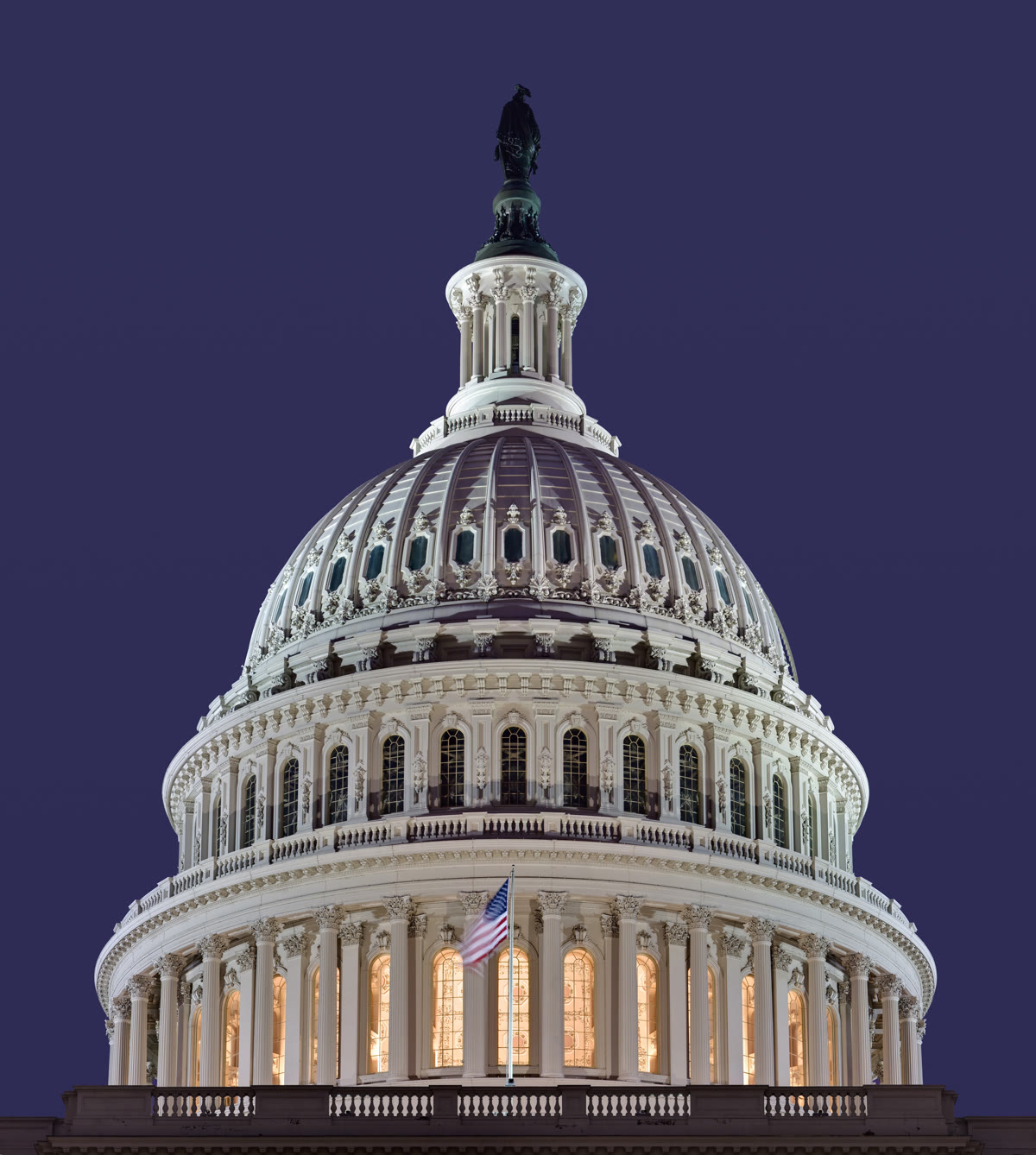

President Trump’s executive order establishes new federal review frameworks for frontier AI development. On paper, it’s about balancing innovation with national security. In practice, it’s about something the tech industry has been simultaneously demanding and dreading: rules.
Let me break down what this actually means if you’re a developer, a startup founder, or someone just trying to build useful things with AI.
The Order at a Glance
The executive order targets “advanced AI models” — the frontier systems being built by companies like OpenAI, Anthropic, Google DeepMind, and Meta. It creates a federal review process for the most capable AI systems before they reach the public.
Here’s what’s in it:
- New review frameworks for frontier AI development — models above a certain capability threshold will face federal oversight
- Innovation promotion alongside security controls — the order explicitly states it wants the US to lead in AI, not stifle it
- National security provisions — mechanisms to prevent advanced AI from being used against US interests
- Industry consultation requirements — the government must engage with the private sector before imposing restrictions
The language is carefully chosen. This isn’t a ban, a moratorium, or a heavy-handed regulation. It’s a framework — which means the details will be filled in through rulemaking over the coming months. And that’s where things get interesting for developers.
Why This Matters Right Now
Here’s the thing about executive orders: they signal direction more than they dictate specifics. The real impact comes from the agencies that interpret and implement them. For AI developers, this means three things are about to happen, whether you’re paying attention or not.
Compliance Will Become a Feature
If you’re building AI tools, especially anything that touches on language models, image generation, or autonomous decision-making, compliance is about to become a selling point. Enterprise customers — the ones paying real money — will start asking: “Is your system compliant with the federal AI framework?”
I’ve seen this pattern before. When GDPR landed in Europe, every SaaS company suddenly had a “GDPR compliant” badge on their homepage. The same thing is coming for AI. Companies that can demonstrate they’ve met the review criteria will have an advantage. Those that can’t will be selling to a shrinking market.
For developers, this means documenting your model’s capabilities, limitations, and training data sources isn’t just good practice anymore. It’s going to be table stakes.
The OpenAI-Government Relationship Just Got Real
Here’s a detail that deserves more attention than it’s getting: while this executive order was being finalized, the White House was also in active discussions with OpenAI about a potential government equity stake.
Think about that for a moment. The company building the most widely-used AI API in the world might end up partially owned by the US government. That’s not speculation — that’s happening right now, as reported by multiple outlets including TechCrunch.
For developers who’ve built their products on OpenAI’s API, this raises a question nobody was asking six months ago: what happens to your dependency when your provider has a different kind of stakeholder? It’s not necessarily bad — government backing could mean more stability, not less. But it’s a new variable in a system that was already complex.
This is exactly why I’ve been cautious about putting all my eggs in one AI provider’s basket. If you missed my earlier take on this, I covered the broader implications of Google’s massive AI capital raise — the AI funding landscape is shifting in ways that affect every developer who depends on these APIs.
Startups Will Feel the Pinch First
Large companies like Google, Microsoft, and Meta have entire legal and compliance teams that can handle new regulatory frameworks. They’ll adapt. Startups won’t have that luxury.
If you’re a two-person team building an AI-powered productivity tool, you probably don’t have a regulatory compliance budget. But the framework being established here will eventually flow down to everyone. The question is whether it flows down fairly.
There’s a version of this where small developers get carved out — where the review process only applies to models above a certain capability threshold, and your fine-tuned Llama derivative doesn’t trigger any reviews. That’s the optimistic scenario.
There’s also a version where the compliance burden falls on anyone using frontier models, including developers who are just API consumers. That’s the scenario that should keep startup founders up at night.
The Innovation Question
The executive order explicitly says it wants the US to lead in AI development. But here’s the tension: every regulation, no matter how well-intentioned, creates friction. And friction slows things down.
I’ve been thinking about this like a boxing match. In boxing, the rules exist to protect fighters — but they also constrain what fighters can do. You can’t headbutt, you can’t hit below the belt, you can’t hold and hit. These rules make the sport safer, but they also mean the most skilled fighter doesn’t always win. Sometimes the fighter who’s best at working within the constraints wins.
AI development is about to enter a similar dynamic. The most capable model won’t necessarily win. The model that’s most compliant, most trusted, and most easily adopted by risk-averse enterprises might win instead. That’s not necessarily a bad outcome — trust matters — but it changes who succeeds and how.
Google’s recent $920M/month deal with SpaceX for compute shows that the big players are betting huge on this space. The executive order doesn’t change that bet. What it changes is the rules of the game they’re betting on.
What I’d Do If I Were Building Right Now
If I were starting an AI project today — and I’ve been considering a few ideas — here’s what I’d prioritize:
1. Build for transparency, not just capability. Document everything. Training data sources, model limitations, potential biases. This isn’t just ethical anymore — it’s strategic. When the compliance requirements come, you’ll be ahead of the curve.
2. Diversify your AI dependencies. Don’t build your entire product on a single provider’s API. The OpenAI-government talks are a reminder that the AI landscape is shifting faster than anyone predicted. Have a fallback plan.
3. Watch the rulemaking process. Executive orders create frameworks, but agencies fill in the details. The next 6-12 months will determine what “frontier AI” actually means in regulatory terms. If you’re building in this space, pay attention to the Federal Register, not just TechCrunch.
4. Consider the trust angle. In a world where AI regulation is becoming real, the companies and developers that can demonstrate trustworthiness will have an edge. That means responsible deployment, honest communication about limitations, and genuine safety work — not just marketing.
5. Read up on the current landscape. If you want context on where the big AI companies stand, my analysis of Anthropic’s IPO filing covers how the Claude maker is positioning itself in this evolving regulatory environment.
The Bigger Picture
Let me zoom out for a moment. The AI industry has been operating in a regulatory vacuum for years. Companies have been building increasingly powerful systems with minimal oversight, and the results have been… mixed. Some incredible tools, some genuinely dangerous capabilities, and a lot of unanswered questions about safety and accountability.
This executive order doesn’t solve those problems. But it starts a conversation that’s long overdue. And conversations, even uncomfortable ones, are better than silence.
I’m not naive about the politics here. Executive orders can be reversed. New administrations change priorities. The regulatory landscape for AI will keep shifting for years. But the direction is clear: the era of unrestricted AI development is ending, and the era of governed AI development is beginning.
For developers, the smart play isn’t to resist this or embrace it uncritically. It’s to understand it, prepare for it, and build in a way that works regardless of which way the political winds blow.
The board has changed. Time to think about the next ten moves.