
Google just signed a deal to pay SpaceX $920 million per month for access to roughly 110,000 NVIDIA GPUs, CPUs, and related compute components. The contract runs from October 2026 through June 2029 — that’s roughly $28 billion over the life of the agreement.
Let that sink in. A single monthly compute bill that dwarfs the GDP of some small nations.
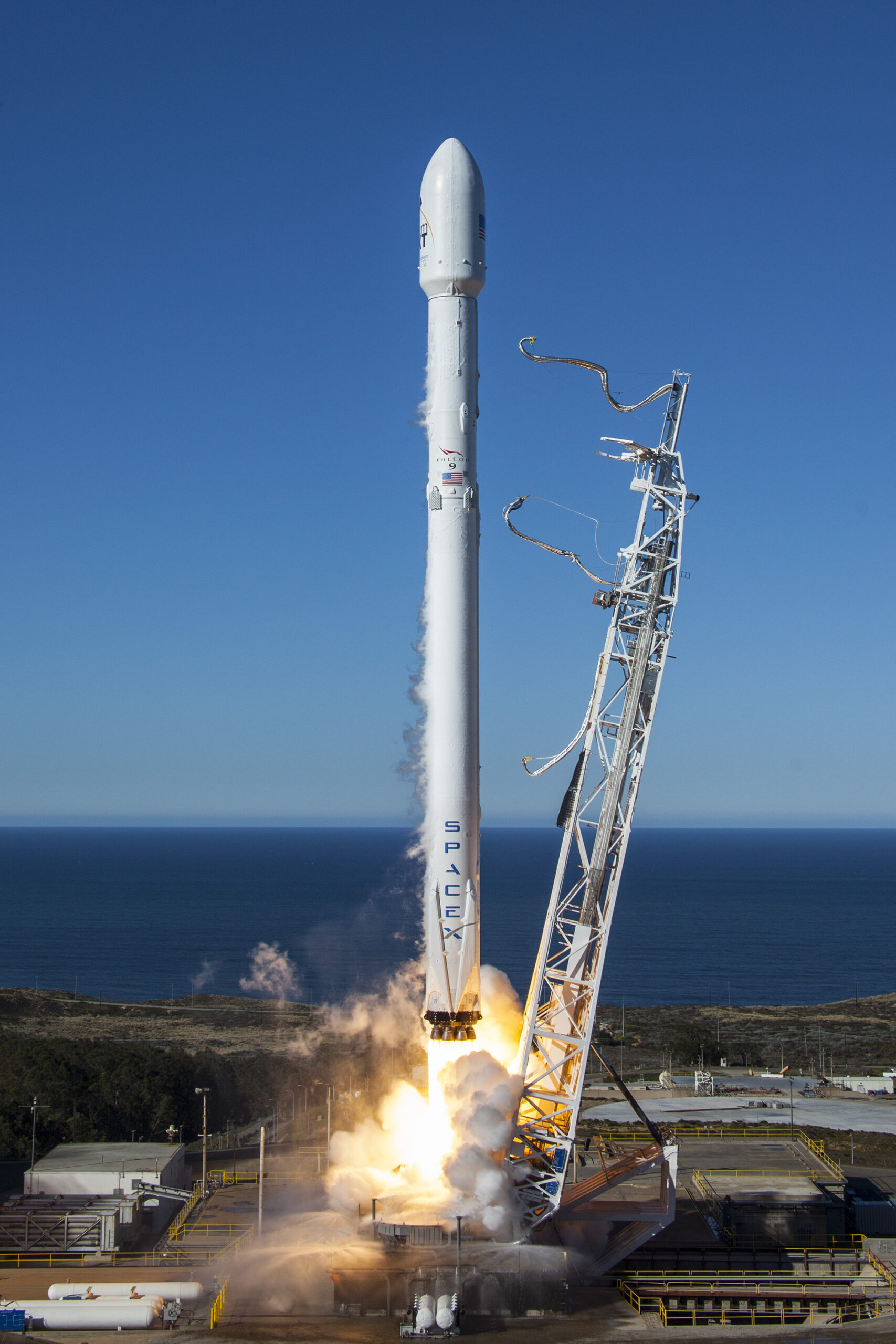
The deal, disclosed in a SpaceX regulatory filing on June 5 and reported by TechCrunch, comes just weeks after Anthropic agreed to pay SpaceX $1.25 billion per month through 2029 for compute from the Colossus 1 data center near Memphis — the facility that xAI, now part of SpaceX, originally built for its own AI training.
Google described the deal as a response to “unexpected demand” for its recently launched AI products. That’s corporate understatement of the year. What’s actually happening is a fundamental restructuring of how cloud infrastructure gets built, financed, and delivered.
.jpg)
What the Deal Actually Includes
The numbers tell one story. The details tell another.
Under the terms of the agreement, Google gets access to approximately 110,000 NVIDIA GPUs, CPUs, memory, and other related components. These aren’t off-the-shelf parts sitting in a warehouse — they’re the same high-end AI accelerators that every company on Earth is scrambling to secure.
The compute comes from SpaceX’s orbital data center operations, though the exact facilities involved haven’t been fully disclosed. What we do know is that SpaceX has been aggressively building out AI infrastructure, reportedly carrying $29 billion in debt to fund the expansion.
This isn’t Google renting server space. This is Google locking in guaranteed compute capacity for three years at a scale that most cloud providers can’t match.
Why This Matters for the AI Arms Race
Here’s the context that makes this deal seismic.
Every major tech company is in a compute arms race. Google recently raised $85 billion for AI development. Microsoft, Amazon, and Meta are spending tens of billions annually on data centers. And NVIDIA’s chips remain the bottleneck — everyone wants them, nobody can get enough.
SpaceX’s position is unique. Through its acquisition of xAI, the company now controls one of the largest dedicated AI compute clusters in the world. The Colossus 1 facility alone was built to train xAI’s Grok models. Now, instead of using all that capacity internally, SpaceX is renting it out — to Google for $920M/month and to Anthropic for $1.25B/month.
That’s $2.17 billion per month in compute revenue from just two customers. For context, Nvidia’s entire revenue in its most recent fiscal year was about $130 billion. SpaceX is becoming a compute powerhouse almost overnight.
The S&P 500 Said No
Not everyone is convinced.
The same day the Google deal was reported, Ars Technica reported that the S&P 500 rejected SpaceX’s request for expedited entry into the index. The S&P Dow Jones Indices held a monthlong consultation to consider waiving requirements for MegaCap companies — shortening the seasoning period from 12 months to six, waiving profitability requirements, and allowing SpaceX to list with just 3% of shares publicly available.
They said no.
The decision means SpaceX won’t get automatic billions from passive investment funds that track the S&P 500. It also means OpenAI and Anthropic, which might have piggybacked on a SpaceX exception, are locked out too.
Analysts told Ars Technica the rejection reflects concern about “passive investor money and people’s retirement savings plans having greater exposure to the market risks associated with SpaceX’s big bet on AI and speculative orbital data center plans.”
That word — speculative — is doing a lot of heavy lifting. SpaceX is burning cash to build infrastructure that generates revenue from just two customers so far. If either Google or Anthropic scales back, the math gets ugly fast.
The Filipino Developer Perspective
If you’re building AI applications in the Philippines, this deal changes the math for you too.
Compute costs are the single biggest barrier to training and deploying AI models locally. When companies like Google and Anthropic are paying nearly $2 billion per month for GPU access, that scarcity trickles down. Smaller teams get squeezed. GPU rental prices on cloud platforms stay elevated. And the gap between what Silicon Valley can afford and what Southeast Asian startups can access keeps widening.
But there’s a flip side. SpaceX’s model — renting out massive compute clusters to the highest bidder — could eventually create a secondary market. If orbital or distributed data centers become a viable alternative to traditional cloud providers, the pricing pressure might actually work in favor of smaller buyers.
For now, though, the reality is simple: the AI compute arms race just got more expensive, and the Philippines is watching from the sidelines.
What Happens Next
Three things to watch:
SpaceX’s IPO timing. The company needs to go public to refinance its $29 billion debt load. The Google and Anthropic deals provide revenue certainty that should help the valuation. But the S&P 500 rejection means SpaceX can’t rely on passive fund inflows — it’ll need active investors to buy in.
Google’s AI product demand. If the “unexpected demand” Google cited turns out to be a flash in the pan, they’re on the hook for billions in compute they don’t need. That’s a real risk. AI hype cycles have a history of cooling off.
Competitive response. Amazon’s AWS, Microsoft Azure, and Oracle are all building their own massive GPU clusters. If SpaceX starts capturing enterprise compute contracts that traditionally went to cloud providers, expect aggressive pricing wars.
Also worth reading: my earlier analysis on Anthropic’s IPO filing and how it connects to the broader AI funding landscape, plus the Computex 2026 coverage that broke down Nvidia’s GPU roadmap.
The bottom line: Google just bet $28 billion that the future of AI runs on guaranteed GPU access. Whether that bet pays off depends on whether the demand for AI inference and training keeps growing at the pace everyone assumes. If it does, SpaceX becomes the most important infrastructure company in AI. If it doesn’t, that $920 million monthly bill starts looking like a very expensive mistake.