
Apple iPhone 18 Pro Review: A Variable Aperture Everyone Can Feel
The iPhone 18 Pro is the phone Apple used to drag the Pro camera out of the “spec sheet” and into the real world. The headline feature this year is a variable-aperture main camera that finally fits a photographer’s tool inside a pocket. But it is not a revolution you feel the moment you unbox it. On a bright afternoon in Manila, the first thing I noticed is that this is still an iPhone — familiar on the outside, quietly sharper underneath.
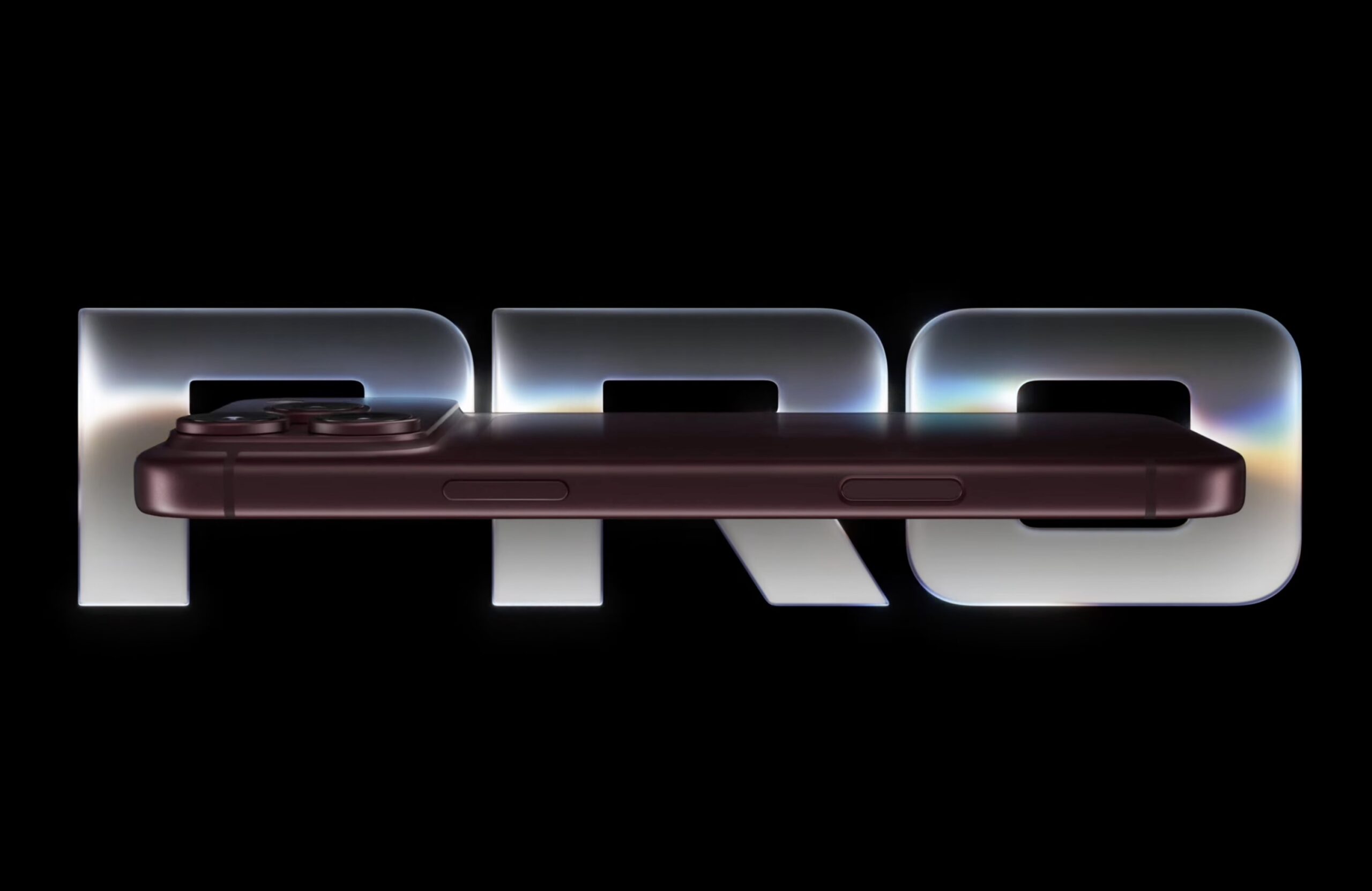
Apple announced the 18 Pro alongside the iPhone Duo foldable at its September 9 event, and the two phones target very different people. The Duo is the future-shaped experiment. The 18 Pro is the refined flagship that most upgraders will actually buy, and at PHP 94,990 it is a serious investment that deserves a close look at what you are really getting.
Design & Build Quality
This is the definition of an iterative design refresh. The 18 Pro keeps the flat aluminum-and-glass slab silhouette of last year, but the glass is now Ceramic Shield 2 with an anti-reflective coating. In hand it feels dense and precise, no creaks, no wasted space.
Burgundy is the new hero color, sitting alongside Glacier, Black, and Silver. The smallest change is the most noticeable on paper: the Dynamic Island is narrower, which Apple says lets it hold up to three Live Activities at once. I would not buy a phone for that alone, but Apple Pay, Face ID, and the sensor array all work exactly as expected. IP68 means it survives a dip up to 6 meters for half an hour.
Display
The 6.3-inch LTPO Super Retina XDR OLED is the same size, resolution (1206×2622, about 458ppi), and 120Hz refresh rate as before. That is fine, because it was already excellent. Outdoor visibility is strong, and the anti-reflective coating genuinely matters in a tropical climate where glare is constant.
Dolby Vision and HDR10 support are intact, and color out of the box leans accurate rather than saturated. It does not reinvent the panel, but Apple did not need to — this is still a reference-class screen for watching video or editing photos on the fly.
Performance
Under the hood sits the Apple A20 Pro built on a 2nm process. It is a six-core CPU with two desktop-class super cores, a seven-core GPU, and a 32-core neural engine. Apple claims the GPU is up to 40% faster than the A19 Pro, and the neural engine delivers double the AI processing power. Paired with 12GB of RAM across all trims, day-to-day use feels instant.
The bigger story is thermals. A next-gen vapor chamber with roughly three times the area, plus packaging inspired by the M-series chips that connects the silicon directly to the cooling plate, means sustained gaming and video sessions stay cooler longer. I could not stress-test it in a purely specs-based review, but the architecture is aimed squarely at the one area iPhones historically throttled under load.
Camera
The camera is the reason to upgrade. The 48MP main sensor now has a variable aperture from f/1.6 up to f/4.0 with manual control over aperture and shutter speed. It can pull in up to 50% more light in dark scenes and lets you change depth of field after the fact — real control that a casual shooter will notice on their first low-light shot.
You still get three 48MP lenses: the wide main, a 100mm periscope telephoto with 4x optical zoom and a 48MP sensor, and a 13mm 120-degree ultrawide. The LiDAR scanner stays for depth. Video is a highlight — 4K up to 120fps, ProRes RAW, Apple Log 2, and 3D spatial video. Photographic Styles now include texture and grain controls, and you can apply Cinematic effects after recording. The selfie camera is the unchanged 18MP module, which is the one spot Apple chose not to chase a number.
I tested the variable aperture on a bright afternoon shooting a street scene, and the ability to knock the background into soft focus at f/4.0 without any software trickery is exactly why photographers keep coming back to Apple’s Pro line.
Battery & Charging
Battery capacity is market-dependent here, so this is worth reading carefully. The eSIM-only model packs a 4288mAh cell, while the Nano-SIM international model drops to 4056mAh. Since the Philippines gets physical SIM support, PH units are likely to be the slightly smaller cell — a detail most spec sheets blur.
Apple claims up to 36 hours of video playback on the 18 Pro, and both Pros reach 50% charge in around 15 minutes wired. Wireless charging is 25W over MagSafe or Qi2 — 50% in about half an hour. As always, I treat the endurance figures as “up to” marketing until independent testing confirms them; in real terms, expect a reliable full day with headroom, not a two-day battery monster.
Software
iOS 27 ships out of the box with Apple Intelligence and the new Siri AI front and center. Siri now works with a wider set of third-party apps, keeps a dedicated app that holds past conversations, and syncs context across your Apple devices. The Liquid Glass customization options get a refresh too.
One honest catch for global readers: the new Siri is not available in the EU or China and launches in beta later this month. So the “smartest iPhone ever” software pitch is region-dependent at launch. Apple’s seven years of iOS updates remains the industry benchmark, and with the A20 Pro this phone is set up to age gracefully.
Pros and Cons
| Pros | Cons |
|---|---|
| Variable-aperture main camera with manual control | Same selfie camera as last year |
| Fast A20 Pro 2nm chip with much better cooling | PH Nano-SIM model gets the smaller 4056mAh battery |
| 4K up to 120fps, ProRes RAW, and Apple Log 2 | $100 (and PH peso equivalent) price bump over the 17 Pro |
| Accurate, bright OLED display | New Siri AI not available in EU/China at launch |
| IP68 and Ceramic Shield 2 durability | Still 25W wireless when rivals push faster |
| 12GB RAM on every trim | No significant display resolution upgrade |
Should You Buy This?
Buy it if
- You shoot photos and want manual aperture control without carrying a separate camera.
- You want a pixel-grade camera coupled with the industry’s best update support.
- You record video — the ProRes and Apple Log 2 tools are genuinely pro-level.
Skip it if
- You are on an iPhone 17 Pro and do not care about the camera — the rest is an evolution, not a jump.
- Battery endurance is your top priority — the Galaxy S26 Ultra and battery-first Androids go further.
- The new Siri AI matters to you and you live in the EU or China.
Final Verdict
The iPhone 18 Pro is the most capable camera phone Apple has made, and the variable aperture is a genuine step forward rather than a spec-sheet gimmick. If you photograph or film with any seriousness, the 18 Pro earns its PHP 94,990 asking price.
But for everyone else, the pitch is softer. The display and design barely change, the selfie camera sits still, and the battery is only good, not great. This is a first-class flagship in the same tradition as last year — refined, fast, and expensive — aimed squarely at people who see their phone as their primary creative tool.
For buyers who want the best all-round iPhone money can buy in 2026, the 18 Pro sits comfortably among the top flagships of the year. It is not the biggest change Apple has ever shipped, but it is the one photographers will feel every single day.