
Xiaomi just made the quirky naming situation in its budget lineup a little more honest — and a little more confusing at the same time. The Redmi 17C 5G went official on August 25, 2026, and the first thing you should know is that it isn’t really new. GSMArena confirms, and Geekbench proves it, that this phone is the Redmi 15C 5G with a new name — the same “tornado” codename, the same Dimensity 6300 chip, the same 6,000mAh battery. That’s not automatically a bad thing. For a budget 5G phone, the 15C formula was already decent. The question is whether Xiaomi’s pricing makes this re-badge worth your pesos.
I spent some time with the specifications sheet and the launch material, and the short version is this: you’re getting a big 6.9-inch 120Hz screen, dependable battery stamina, and a sensible camera — with an HD+ resolution and a charger caveat you need to know about before you commit. Here’s the full breakdown.
Design & Build Quality
The Redmi 17C 5G keeps the classic entry-level Redmi recipe: a slim 8.2mm body that weighs a noticeable 211g. That weight is a real trade-off for the big 6,000mAh cell inside — you’ll feel it in the hand, especially if you’re used to lighter slabs around the 190g mark.
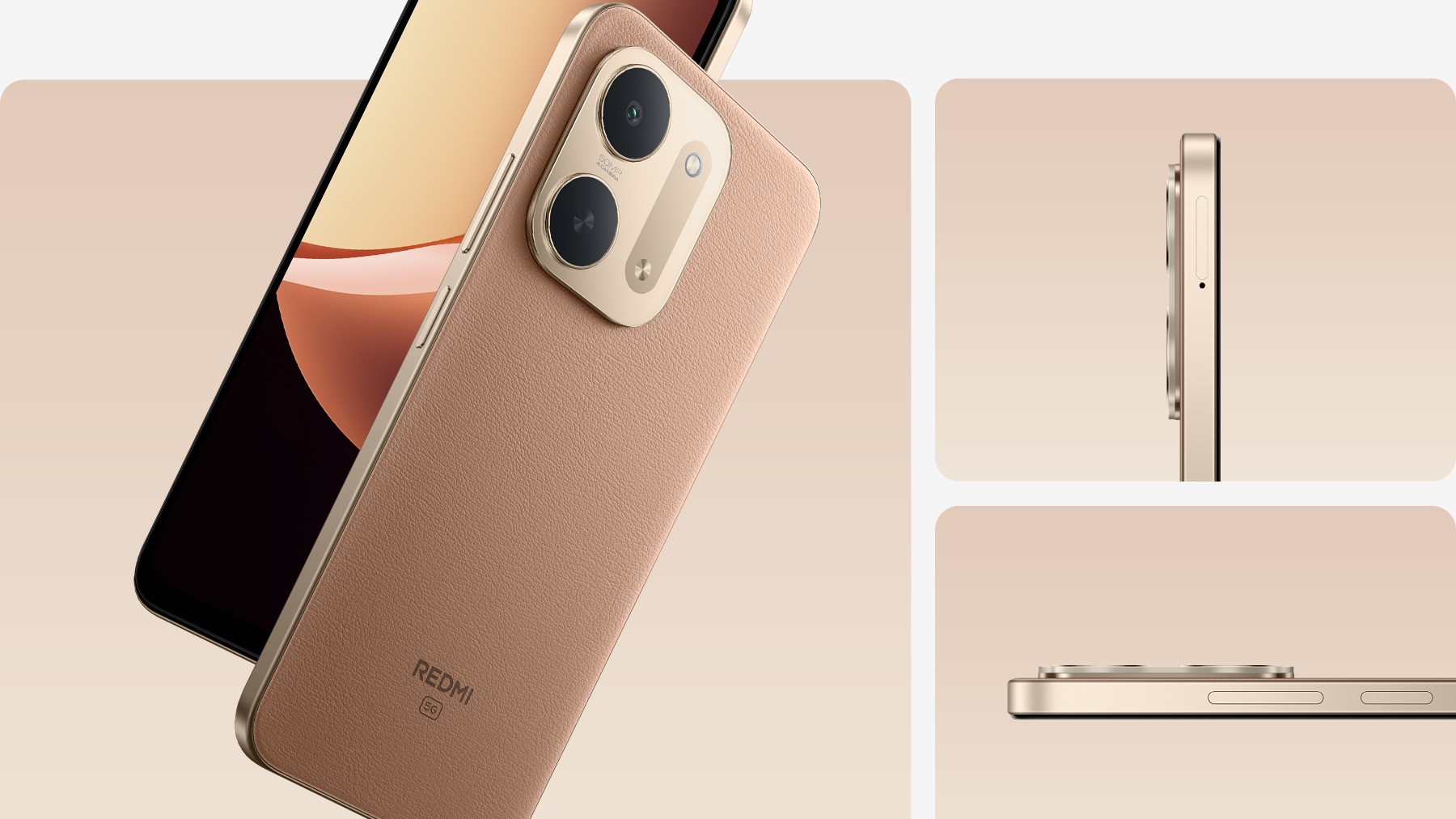
The back comes in black, a brown vegan-leather finish that I find genuinely nicer in person than renders suggest, and purple. The vegan-leather brown is the variant worth picking — it resists fingerprints and adds a touch of grip that glossy budget backs usually skip.
Durability is a genuine highlight. It carries an IP64 rating, which covers dust tightness and water splashes, plus Xiaomi’s Wet Touch Technology 2.0, so the screen keeps working even with damp or oily fingers. For a sub-₱15K phone in a rainy country like the Philippines, that splash protection alone is a reason not to buy a case. There’s a side-mounted fingerprint reader that doubles as the power button, a 3.5mm headphone jack (rare and welcome), and a single bottom-firing speaker with a 200% volume boost mode that genuinely gets loud for videos and calls.
Display
The headline number is a 6.9-inch IPS LCD with a 120Hz refresh rate. Scroll through Facebook or TikTok and the 120Hz adaptive refresh makes everything feel smoother than you’d expect from a budget panel.
The catch is resolution. It’s HD+ (720 x 1600), which works out to about 254ppi across that large diagonal. Text is readable, but it’s noticeably softer than the FHD+ panels on rivals — and softer even than the previous-gen Redmi 17 5G, which was itself criticized for a similar HD+ downgrade. Peak brightness sits around 810 nits, which is fine for indoor use and readable in direct sunlight, though not class-leading.
Xiaomi includes three TÜV Rheinland certifications (Low Blue Light, Flicker Free, Circadian Friendly) with DC dimming, which is a thoughtful touch for anyone who reads in bed. Vision is a wash here — the panel is large and smooth, but the pixel density keeps it firmly mid-pack.
Performance
Under the hood is a MediaTek Dimensity 6300 built on a 6nm process — two Cortex-A76 performance cores at up to 2.4GHz and six Cortex-A55 efficiency cores, paired with a Mali-G57 MC2 GPU. This is the same silicon that powered the Redmi 15C 5G a year ago, and it remains a capable everyday chip for browsing, messaging, social media and light gaming.
It launches with 4GB of LPDDR4X RAM and 64 or 128GB of UFS 2.2 storage, expandable via a dedicated microSDXC slot. Xiaomi’s memory-extension feature can stretch that 4GB to an effective 8GB by borrowing storage — the same trick it uses across the lineup. It works for keeping more apps alive, but it’s not a substitute for real RAM.
For context, the battery-first Redmi M100 pairs a similar workload with a larger 7,900mAh cell, while Xiaomi’s top shelf at Redmi Note 17 Pro Max runs the faster Snapdragon 6 Gen 5 and 100W charging. The 17C 5G sits firmly at the budget end — good for everyday use, not for heavy gaming or multitasking with dozens of apps.
Camera
The back carries a 50MP main sensor (f/1.8, 28mm, 1/2.76″) with PDAF, plus a decorative auxiliary lens that does no imaging work — an honest flag Xiaomi itself doesn’t highlight. There’s no ultrawide and no telephoto, so you’re working with one real lens and digital zoom.
In good light, the 50MP sensor captures detailed, well-exposed shots that downscale nicely to 12.5MP by default. There’s an Ultra HD mode for full 50MP stills and a portrait mode that handles edge detection reasonably well on faces. In low light, expect softer detail and some noise — standard for this price bracket, and it won’t rival pricier phones with bigger sensors.
Selfies come from an 8MP front camera (f/2.0) in a waterdrop notch, with beauty mode and 1080p video on both the front and main camera. Video is capped at 1080p@30fps — fine for social clips, no 4K, no 60fps slow-motion options.
Battery & Charging
This is where the phone earns its keep. The 6,000mAh battery is the real star — official lab figures quote up to 2.07 days of typical daily use, over 43 hours of video playback, or 105 hours of music. In real terms, you’ll comfortably get two full days of moderate use, and heavy users will still make it through a full day without reaching for a charger.
The battery is also built to last, retaining at least 80% of its original capacity after 1,000 charge cycles — a solid longevity number.
Charging is 33W wired with PD support, and GSMArena quotes 50% in about 28 minutes. But here’s the caveat that catches buyers: the box only includes a 15W adapter. Xiaomi explicitly notes the 33W adapter is sold separately. If you don’t already own a 33W-capable charger, you’re not getting those fast-charging numbers out of the box. There’s also a modest 10W reverse-wired charging option to top up earbuds or a friend’s phone.
Software
The 17C 5G runs HyperOS 3 based on Android 16 out of the box. It includes Xiaomi’s Interconnectivity features like Call Sync and Shared Clipboard, plus broad Google integration — Gemini Live, Circle to Search, and the assistant’s image-generation tools are baked in.
Xiaomi’s “48-month like-new” software experience claim is worth understanding: it refers to a long-term optimization promise tested by the company, not a commitment of how many major OS upgrades or years of security patches you’ll get. For a budget C-series device, the update commitment is typically modest — flag that as an open question until Xiaomi publishes a specific support term, and don’t assume flagship-grade update length.
Pros and Cons
| Pros | Cons |
|---|---|
| Big 6,000mAh battery with genuinely long real-world endurance | Only a 15W charger in the box — 33W adapter sold separately |
| IP64 splash resistance plus Wet Touch 2.0 for a rainy climate | HD+ 720p panel is soft at only ~254ppi on a 6.9-inch screen |
| 120Hz adaptive display for smooth scrolling on a budget | Decorative auxiliary lens adds no camera capability |
| 3.5mm headphone jack and expandable microSD storage | Only 4GB base RAM — memory extension borrows storage to reach 8GB |
| Reasonably priced 5G with a clean, comfortable design | It’s essentially a rebadged 15C 5G, not a new generation |
| 200% volume boost speaker gets loud for media | No official fast-charging tech you’d expect from the name |
Should You Buy This?
Buy it if
- You want a big-screen 5G phone with dependable two-day battery life under ₱15K.
- You live with splash-prone commutes, rain, or sweaty hands — IP64 plus Wet Touch 2.0 genuinely help.
- You value a headphone jack and expandable storage and don’t need fast charging out of the box.
Skip it if
- You care about sharpness — the HD+ resolution will bother you next to FHD+ rivals.
- You need a real camera — no ultrawide, no telephoto, and only one useful lens.
- You expect fast charging immediately, because the 33W adapter costs extra.
Final Verdict
The Redmi 17C 5G is a comfortable, sensible budget 5G phone with a real battery story and genuinely useful splash resistance — undermined mainly by an HD+ screen and a charger you have to buy separately. If you want the purest value argument at this exact tier, the battery-first Redmi M100 and the rugged Redmi Note 17 Pro Max are both worth weighing against it.
My honest read: this isn’t a must-upgrade phone. If you already own a Redmi 15C 5G, there’s no reason to move. But if you’re coming from an older, slower budget phone and want a large, smooth screen with a battery that genuinely lasts and peace of mind in the rain, the 17C 5G delivers exactly that — just budget for a 33W charger or a slightly higher price than the sticker suggests.
For a place in the wider 2026 budget landscape, see our Top 10 Phones to Buy in 2026 for Every Budget, and for how the memory-shortage price climate is nudging phone pricing right now, check the Sony Xperia 10 VIII review.