
I’ve been wearing a smartwatch for the better part of a decade. First it was a Samsung Gear, then an Apple Watch, then a Galaxy Watch Ultra. At some point, the novelty wore off. I stopped caring about the fancy watch faces and started caring about one thing: sleep tracking. That’s when a friend handed me an Oura Ring and said, “Just try it for a week.”
That was six months ago. Since then, I’ve tested the Oura Ring 4, the Samsung Galaxy Ring, the RingConn Gen 2 Air, and the Leep Ring. I’ve worn them through marathons, through sleepless nights grading student papers, and through weekends where the only exercise was walking to the fridge. Here’s what I actually learned — the stuff the marketing pages don’t tell you.
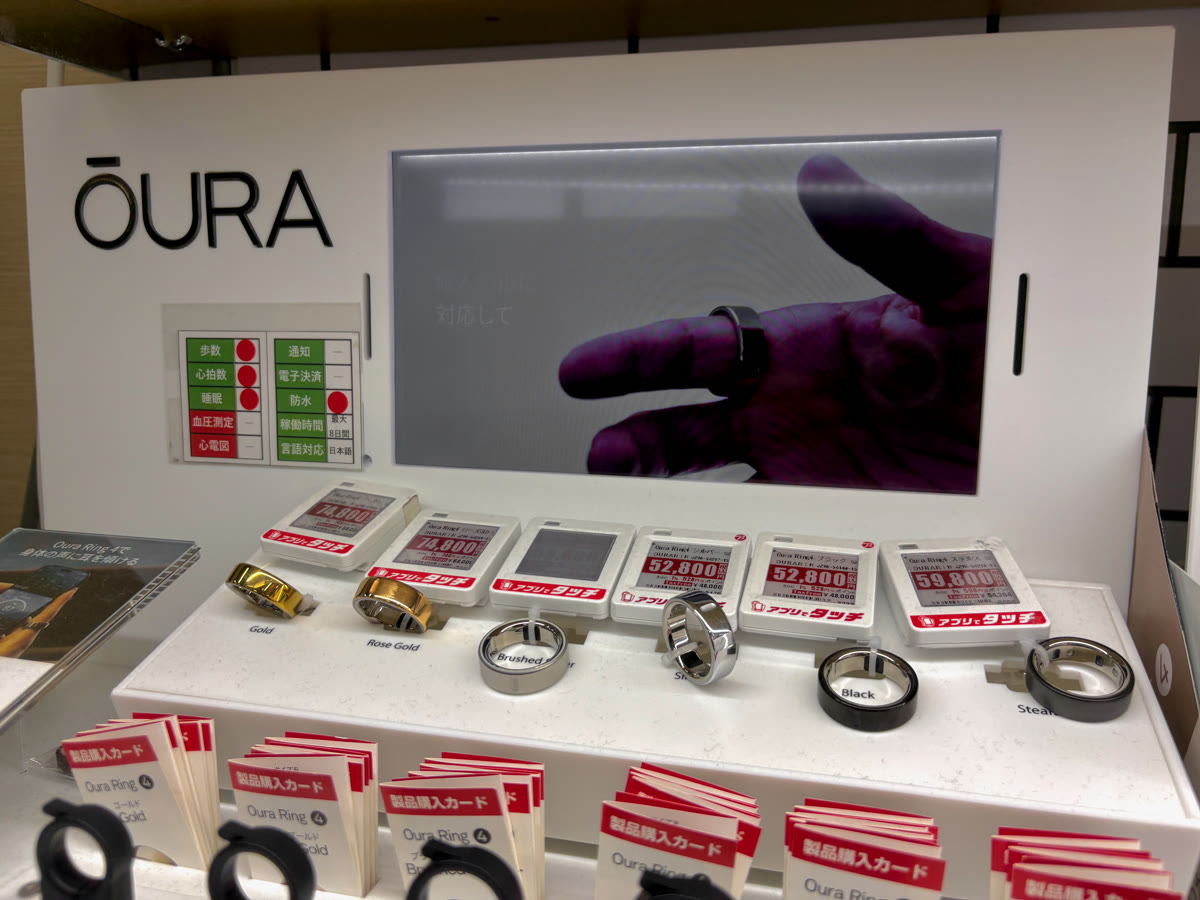

The Smart Ring Category Is Finally Growing Up
Two years ago, if you wanted a smart ring, you basically had one choice: Oura. The Finnish company created the category, dominated it, and then alienated a chunk of its user base by locking the best features behind a subscription. In 2026, the competition has caught up. Samsung, RingConn, Ultrahuman, Amazfit, and even Pebble’s founder are all shipping rings that track your sleep, heart rate, and daily activity.
The question isn’t whether smart rings work anymore. They do. The question is which one works for your life — and whether the trade-offs are worth it.
What a Smart Ring Actually Does (and What It Doesn’t)
Every smart ring on the market uses the same basic sensors: photoplethysmography (PPG) for heart rate, temperature sensors for skin temperature changes, and accelerometers for movement. What they don’t have is a screen. That’s the whole point.
You wear the ring, it collects data in the background, and you check the app on your phone when you want to see how you slept, what your heart rate variability looks like, or whether your body temperature spiked overnight. No buzzing notifications. No glowing display at 3 AM. Just a piece of jewelry that happens to know you better than you know yourself.
What They Track Well
- Sleep stages — REM, light, deep, and awake time. This is where rings genuinely outperform smartwatches. The ring doesn’t dig into your wrist or feel bulky, so you actually sleep with it on.
- Resting heart rate — All the rings I tested gave consistent, accurate readings compared to a chest strap.
- Heart rate variability (HRV) — The Oura Ring is the most reliable here, but the Samsung Galaxy Ring is close behind.
- Body temperature trends — Useful for spotting illness early or tracking menstrual cycles. Not precise to the decimal, but reliable enough for trend detection.
Where They Fall Short
- Workout tracking — This is the big one. Without a screen and with limited GPS capabilities, rings are terrible at tracking specific workouts. The Samsung Galaxy Ring auto-detects runs and walks, but it can’t tell you your pace mid-workout or map your route. If you care about workout data, you still need a smartwatch or sports watch.
- Real-time alerts — No screen means no notifications, no timers, no quick replies to messages. You’re choosing simplicity over connectivity.
- Accuracy during activity — The RingConn Gen 2 Air consistently overestimated my sleep and underestimated my steps during workouts. Heart rate tracking during high-intensity exercise was noticeably less reliable than at rest.
The Big Three: Oura vs Samsung vs RingConn
Oura Ring 4 — The Gold Standard (With a Catch)
The Oura Ring 4 starts at $349 and is, frankly, the best smart ring I’ve tested. The accuracy is noticeably better than everything else, especially for sleep tracking and HRV. The app is clean, the insights are genuinely useful, and after about 30 days of wearing it, the personalized readiness scores started feeling eerily accurate.
But here’s the catch: the subscription. Oura charges $5.99 per month (or $69.99 per year) to unlock the full feature set — without it, you’re limited to basic activity and sleep summaries. That means you’re paying $349 upfront plus roughly $72 per year. Over three years, that’s about $565 total. For a ring. That tracks your sleep.
The ceramic version ($150 more than the standard) looks gorgeous and doesn’t scuff as easily as the titanium models, but at $499 before the subscription, you’re deep into smartwatch territory price-wise.
Samsung Galaxy Ring — Best for Samsung Users (Everyone Else, Move Along)
The Samsung Galaxy Ring is lighter and slimmer than the Oura, and there’s no subscription. That’s a genuine advantage. It pairs beautifully with the Galaxy Watch 8 series — the ring tracks your sleep while the watch charges, then they swap roles seamlessly. The battery life is excellent, the charging case is sleek, and the heart rate tracking is reliable.
The problem? Most of the useful features — the daily Energy Score, the wellness booster cards, the detailed insights — only work if you’re using a Samsung phone. On a Pixel or OnePlus, the ring becomes a glorified pedometer. Samsung also skipped the gyroscope and GPS, which means workout tracking is even more limited than the Oura. If you don’t have a Samsung phone, this ring isn’t for you.
RingConn Gen 2 Air — The Budget Pick (With Budget Compromises)
At around $200 with no subscription, the RingConn Gen 2 Air is the most affordable option from a reputable brand. It tracks steps, calories, heart rate, blood oxygen, and sleep. The colored ring protectors are a nice touch for anyone who likes to coordinate their accessories.
But the accuracy gap shows. During my testing, the RingConn consistently overshot my sleep duration by 20-30 minutes and undershot my step count during workouts. The app syncing was slower than the Oura or Samsung, and workout tracking was essentially useless for anything beyond a casual walk. If you want the cheapest way into smart ring tracking and you don’t need precision, it works. If you care about data accuracy, save up for the Oura.
The Subscription Problem Nobody Talks About
This is the issue that drove me crazy during my testing. The Oura Ring requires a subscription to access the features that actually make it worth wearing — the readiness score, the detailed sleep analysis, the activity insights. Without the subscription, you get a basic daily summary that you could get from a $30 fitness band.
Samsung and RingConn don’t charge subscriptions, which sounds great on paper. But Samsung locks its best features behind the Samsung phone ecosystem, and RingConn’s free app simply doesn’t deliver the same depth of analysis. You get what you pay for, and in this case, what you’re paying for is either money or data quality.
The Leep Ring, a British newcomer at $199, is subscription-free and offers simplified stats. It’s a decent option for someone who just wants basic activity and sleep tracking without the complexity. But it lacks the sensor array of the Oura or Samsung, so the data is less granular.
Who Should Actually Buy a Smart Ring?
After six months of wearing these things, here’s my honest take:
Buy a smart ring if:
- You care about sleep tracking but hate wearing a watch to bed
- You want passive health monitoring without another screen on your body
- You’re a data nerd who wants HRV trends and readiness scores
- You already have a smartwatch for workouts but want something more comfortable for 24/7 wear
Skip the smart ring if:
- You want detailed workout tracking (GPS, pace, route mapping)
- You rely on wrist-based notifications and quick replies
- You’re not willing to pay for a subscription (Oura) or locked into a phone ecosystem (Samsung)
- You expect the same accuracy as a chest strap or dedicated sports watch
The Verdict
Smart rings have come a long way from the early days of Oura’s monopoly. In 2026, there’s genuinely a ring for different needs and budgets. The Oura Ring 4 remains the best overall if you can stomach the subscription. The Samsung Galaxy Ring is excellent — but only if you’re all-in on Samsung’s ecosystem. The RingConn Gen 2 Air is the budget champion, even if its accuracy lags behind.
For me personally? I’m still wearing the Oura Ring 4. Not because it’s perfect — the subscription still annoys me, and I wish the workout tracking was better — but because the sleep data is genuinely valuable. I’ve made real changes to my routine based on what it’s told me about my sleep patterns, and I can’t say that about any other wearable I’ve tried.
Are smart rings a gimmick? No. Are they a replacement for a smartwatch? Also no. They’re a complementary device that does one thing really well: track your body while you sleep. If that matters to you, 2026 is the year to finally try one.
Related Reading
If you’re thinking about upgrading your whole wearable setup, you might find my take on foldable phones in 2026 interesting — I apply the same “is it worth it yet?” framework. And if you’re curious about how I approach long-term reviews after using something for months instead of days, that Obsidian piece has my full methodology.